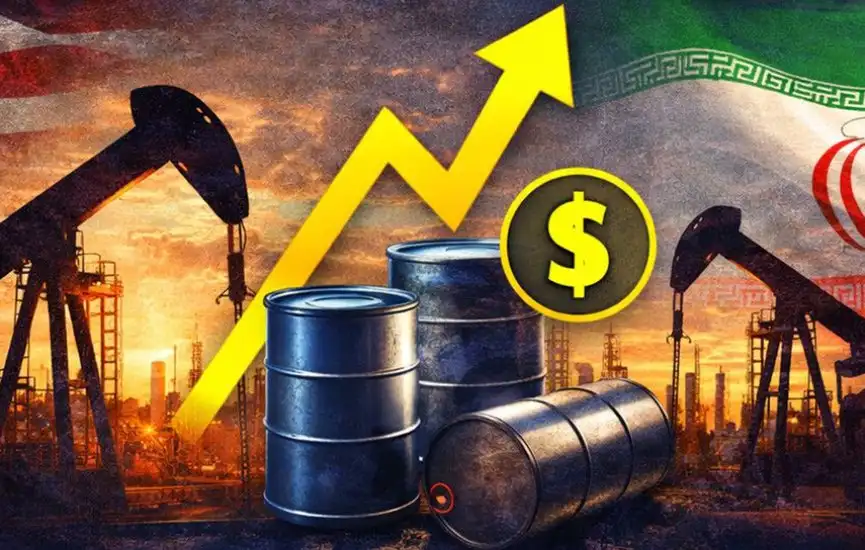
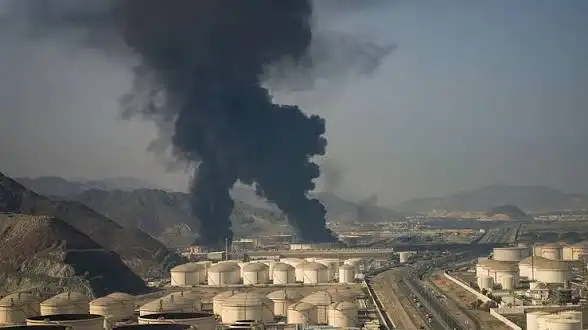
Global oil prices have risen sharply as tensions linked to the ongoing confrontation involving Iran raise concerns about the reliability of energy supplies moving through the Middle East. The region remains central to the global petroleum trade, and developments affecting production sites or shipping routes often have immediate consequences for markets worldwide. Traders and energy analysts say that the latest surge reflects fears that continued conflict could disrupt the steady flow of crude to major consuming economies.
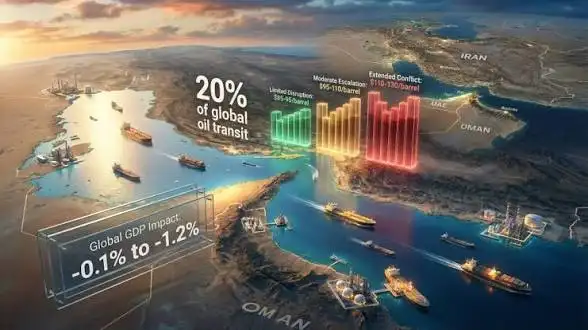
One of the most closely watched areas is the Strait of Hormuz, a narrow maritime corridor that serves as a primary passage for oil shipments leaving the Gulf. A significant share of the world’s petroleum exports travels through this route each day, linking producers in the region to buyers in Asia, Europe, and other markets. Any perceived risk to the safe movement of tankers in the waterway tends to influence pricing because of the potential impact on global supply chains.
Financial markets have responded with heightened volatility as investors attempt to gauge how long the current tensions might persist. Energy companies, shipping firms, and government officials are all reviewing contingency plans designed to address possible interruptions to supply. While physical production has not experienced widespread reductions, the uncertainty surrounding the conflict has created a climate in which traders anticipate the possibility of tighter supply conditions.
Governments in several major economies have begun discussing measures that could help limit the economic effects of rising fuel costs. These include consultations about strategic petroleum reserves and diplomatic engagement with energy producing nations capable of increasing output if necessary. Policy makers are particularly concerned about the effect that higher oil prices could have on transportation, manufacturing, and consumer costs across many countries.
Energy analysts note that oil markets are highly sensitive to geopolitical developments, especially when they involve regions that play a dominant role in global production. The Middle East has historically been a focal point for price fluctuations during periods of political tension, and the current situation has reinforced that pattern. As governments and international organizations continue efforts to manage the broader crisis, oil traders remain focused on signals that might indicate whether supply risks are likely to grow or gradually ease.







Leave a comment