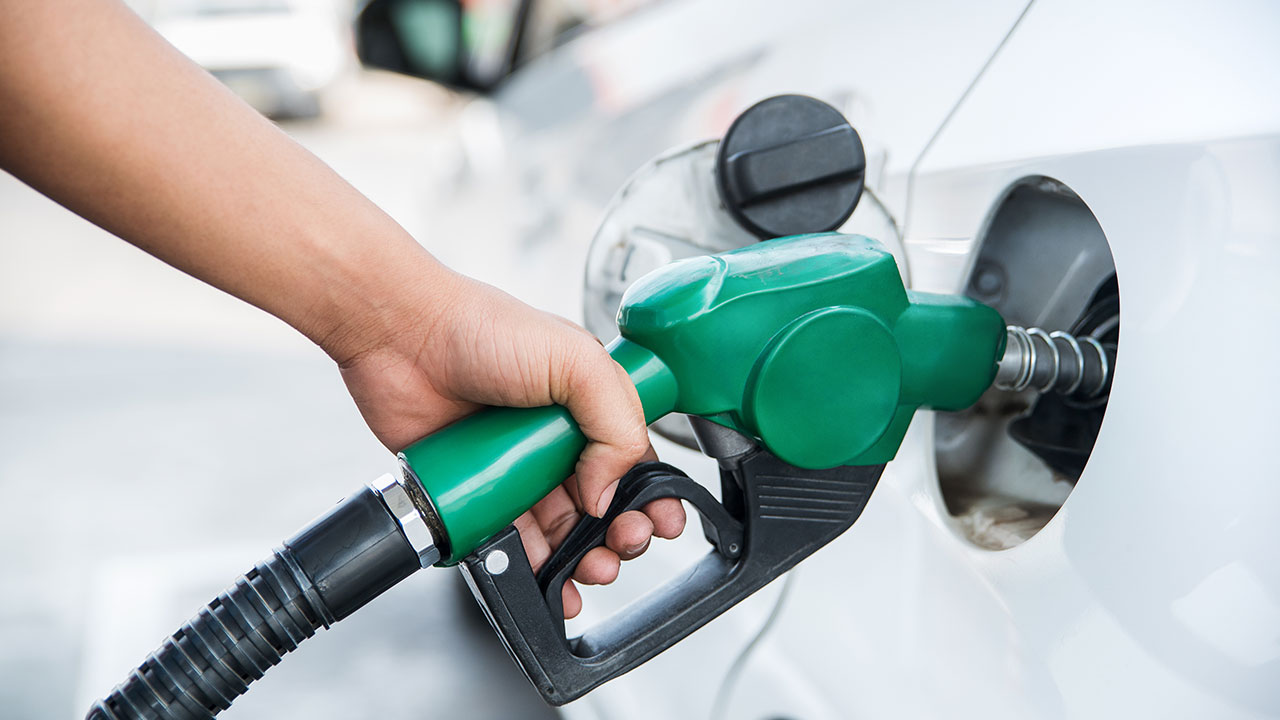
Nigerians are grappling with sharp increases in petrol prices, as marketers have raised pump prices far above the corresponding rise in international crude oil costs. On Tuesday, petrol stations nationwide increased prices from an average of N750 per litre to N850 per litre.
Marketers justified the hike by pointing to a rise in crude oil prices, which climbed from $64 per barrel to $68 per barrel on Monday, representing a 6.2 percent increase. However, local retail prices jumped by 14.3 percent, more than double the rate of the international crude oil increase. The surge also affected gantry prices at the Dangote Refinery, which rose from N699 per litre to N799 per litre.
Following the adjustment, petrol stations in Abuja, Lagos, and other cities mirrored the price hikes. NNPC retail outlets raised prices to N835 per litre from N815, while some independent marketers implemented steeper increases. For instance, AYM Sharfa adjusted its pump price to N900 per litre from N815.
Chief Chinedu Ukadike, National Public Relations Officer of the Independent Petroleum Marketers Association of Nigeria (IPMAN), told Vanguard that the hikes were linked to the rising crude oil prices. He explained that even though marketers may still have older stock, they must adjust prices to reflect the higher cost of new supplies, maintain margins, and sustain their businesses.
Ukadike stated, “When did the crude oil price go up? It is not the first day that it went up. So, that is the nature of the business. Even if we sell our old stock, we can’t buy a new one at the old price. The margin is high. The buying rate and margin is high. The marketers have to find a way to see how they can be able to continue to be in business.”
The steep petrol price increases are expected to have ripple effects on transport costs, consumer goods, and overall inflation, adding to the financial pressures facing Nigerians.








Do Nigerians deserve to pay higher petrol prices when crude oil rates rise? Its a tough situation. What do you think?
I dont understand why Nigerians have to bear the brunt of petrol price hikes when crude oil prices are not directly proportional. Its unfair!
I dont understand why Nigerians are hit with petrol price hikes when crude oil rates are increasing. It just doesnt add up!
Why should Nigerians bear the burden of petrol price hikes when crude oil rates dont directly correlate? Its unjust!
This seems unfair to Nigerians. Why should they bear the burden of high petrol prices when crude oil rates increase? Soing doesnt add up here.
I cant believe the government is allowing this petrol price hike! Its hitting Nigerians hard. Soing needs to ce.
This petrol price hike is outrageous! Why should Nigerians bear the brunt of retail rates increasing faster than crude oil prices? Unfair!