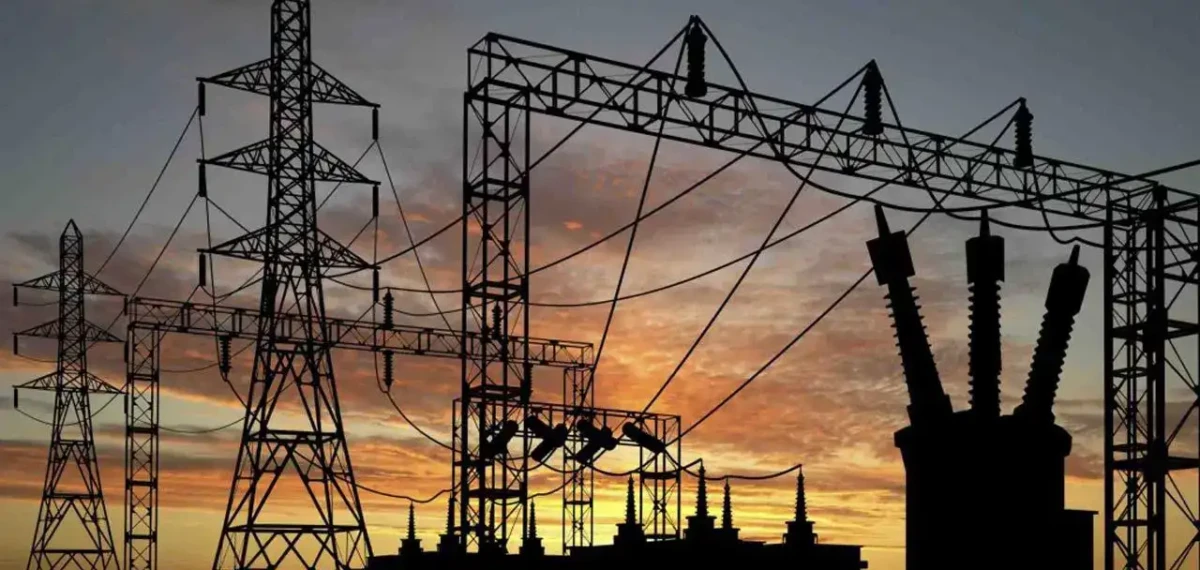
Nigeria’s Electricity Distribution Companies, DisCos, have reported combined losses of N2.349 trillion over the past two years, worsening the liquidity crisis in the Nigerian Electricity Supply Industry, NESI, and contributing to prolonged blackouts across the country.
Data from the Nigerian Electricity Regulatory Commission shows DisCos lost N1.015 trillion in 2024 and N1.334 trillion in 2025, with billing inefficiencies accounting for N649.87 billion and weak revenue collection responsible for N684.28 billion. Quarterly analysis revealed fluctuating losses, ranging from N378.11 billion in Q1 2025 to N328.54 billion in Q4 2025.
The financial strain has caused generation companies, GenCos, to operate below capacity due to unpaid invoices, while gas suppliers have scaled back deliveries, further reducing power output. National grid electricity supply dropped from an average of 4600 megawatts in 2025 to below 3500MW in early 2026, forcing load shedding and leaving some areas with less than six hours of daily electricity.
Communities in Abuja, Nasarawa, Niger, Kogi, and Delta states have been severely affected, with residents reporting intermittent supply and escalating self-generation costs. The Presidential Villa in Abuja is set to exit the national grid following completion of a N17 billion solar mini grid project to guarantee uninterrupted power, a move criticized by the Acting Managing Director of AEDC, Engr Chijoke Okwuokenye, as avoidable with proper investment in network upgrades.
Consumers and experts blame the crisis on estimated billing, inadequate metering, and lack of transparency. Chijoke James, chairman of the Electricity Consumers Association of Nigeria, accused DisCos of exploiting customers through inflated bills, while power sector consultant Mr Bode Fadipe highlighted the need for end-to-end metering across the value chain.
The Federal Government’s perceived lack of political will to address sector inefficiencies remains a major concern, leaving Nigeria’s power industry vulnerable to systemic failure if immediate reforms are not implemented.












Leave a comment