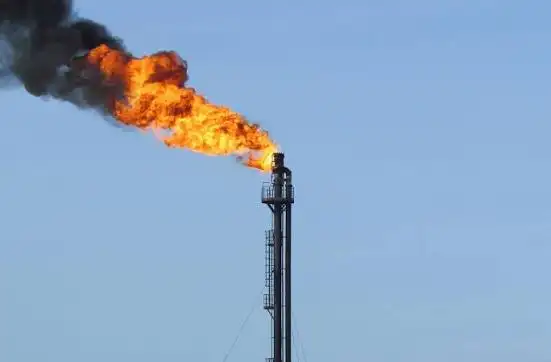
Nigeria has issued permits to 28 companies under the Nigerian Gas Flare Commercialisation Programme (NGFCP), which aims to eliminate routine gas flaring, reduce carbon emissions, and convert wasted gas into power generation. This initiative is poised to capture 250 to 300 million standard cubic feet of flared gas daily, potentially reducing CO₂ emissions by approximately 6 million tonnes yearly and unlocking close to 3 gigawatts of power generation capacity. The project is expected to attract up to $2 billion in investments and create over 100,000 jobs, along with producing 170,000 metric tonnes of liquefied petroleum gas (LPG) annually for clean cooking access to 1.4 million households.
The permits were awarded after a competitive bidding process that involved 49 flare sites allocated to 42 companies, with the 28 awarded firms now holding crucial agreements to access flare gas. The NGFCP aligns with Nigeria’s Energy Transition Plan, enhancing its decarbonization efforts and supporting environmental, social, and governance (ESG) objectives. Though securing permits is a significant achievement, further steps in engineering, construction, and financing are still necessary.
The NGFCP marks a shift from treating gas flaring as an environmental liability to recognizing it as an economic opportunity within Nigeria’s upstream petroleum sector. By monetizing flared gas, this initiative aims to reduce emissions and bolster Nigeria’s credibility in its energy transition commitments.
Supported by organizations like Power Africa, KPMG, and the World Bank, the program addresses environmental issues while promoting sustainable development. Stakeholders stress the need for timely implementation to harness the program’s anticipated economic, industrial, and environmental benefits, contributing to Nigeria’s net-zero emissions goals and a more sustainable energy future.













Im not convinced this initiative will actually reduce gas flaring significantly. Seems like a band-aid solution. Thoughts?
Why not invest in renewable energy instead of continuing gas flaring? Lets think long-term sustainability, not just short-term profit.
Do you think this initiative will actually lead to significant investment and power generation, or is it just another empty promise?
Is this gas flaring initiative in Nigeria just a band-aid solution or a genuine step towards sustainable energy? Thoughts?
Is this gas flaring initiative just another empty promise or a real game-cer for Nigerias energy sector? Lets discuss!
Do you think this gas flaring initiative in Nigeria will actually attract $2 billion in investments? Seems ambitious, but lets see!
Is this gas flaring initiative in Nigeria really a game-cer, or just another empty promise for investment and power generation? What do you think?
Do you think this gas flaring initiative in Nigeria will actually bring in the promised investments and power generation? Im skeptical.
Wow, can Nigeria really pull off this gas flaring initiative for power generation? Exciting potential but also environmental concerns. What do you think?