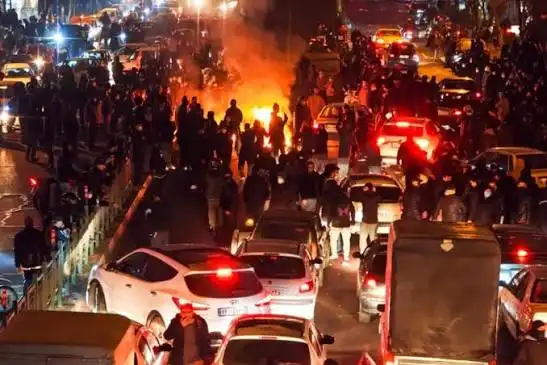
Iran has experienced a widespread internet blackout as protests continue across multiple cities, significantly restricting communication and limiting access to information. Technology monitoring organizations reported sharp declines in connectivity, affecting both mobile and fixed line services.
Authorities have not provided detailed explanations for the disruption, though similar measures have been implemented during periods of unrest in the past. Critics argue that restricting internet access hampers transparency and prevents citizens from sharing information about developments on the ground. Iranian officials maintain that security measures are necessary to preserve order.
The blackout has complicated efforts by journalists and human rights organizations to verify reports of casualties and arrests. Families have also faced difficulties communicating with relatives in affected areas. Businesses reliant on digital services have reported operational disruptions.
International observers have expressed concern about the implications for freedom of expression and access to information. Analysts note that communication restrictions can intensify uncertainty and erode public trust during crises.
As protests persist, the digital shutdown underscores the intersection between technology, governance, and civil unrest in an increasingly connected world.












Leave a comment