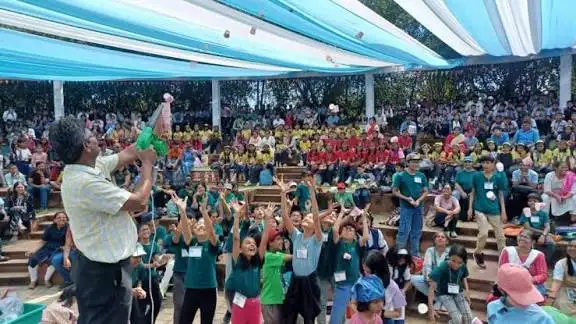
National Science Day was observed across India with events highlighting the theme Women in Science Catalyzing Viksit Bharat, emphasizing the role of women researchers in advancing innovation and national development. Universities, research institutions, and schools organized seminars, exhibitions, and public lectures to mark the occasion.
The annual observance commemorates the discovery of the Raman Effect by physicist C V Raman, a milestone in scientific history that earned India global recognition. Educational institutions used the day to showcase student projects, promote scientific inquiry, and encourage participation in science and technology fields.
Government officials underscored the importance of increasing female representation in research, engineering, and advanced scientific disciplines. Policy discussions focused on mentorship programs, funding access, and structural reforms designed to remove barriers for women pursuing scientific careers.
Panels featuring leading researchers addressed the importance of diversity in innovation ecosystems. Speakers emphasized that inclusive research environments strengthen problem solving capacity and foster broader societal progress.
Science centers in major cities hosted interactive demonstrations aimed at engaging young aunces. Organizers reported strong attendance, particularly among students interested in emerging technologies and environmental research.
Academic leaders stressed that sustained investment in science education remains central to India’s long term economic and technological ambitions. They noted that empowering women scientists aligns with broader national development strategies.
The celebrations also highlighted achievements of contemporary female scientists whose work spans biotechnology, climate research, and space exploration. Many institutions announced new scholarship initiatives to support aspiring researchers.
Observers said the day served not only as a commemoration of scientific discovery but also as a reminder of the importance of inclusive growth within research communities.













Leave a comment