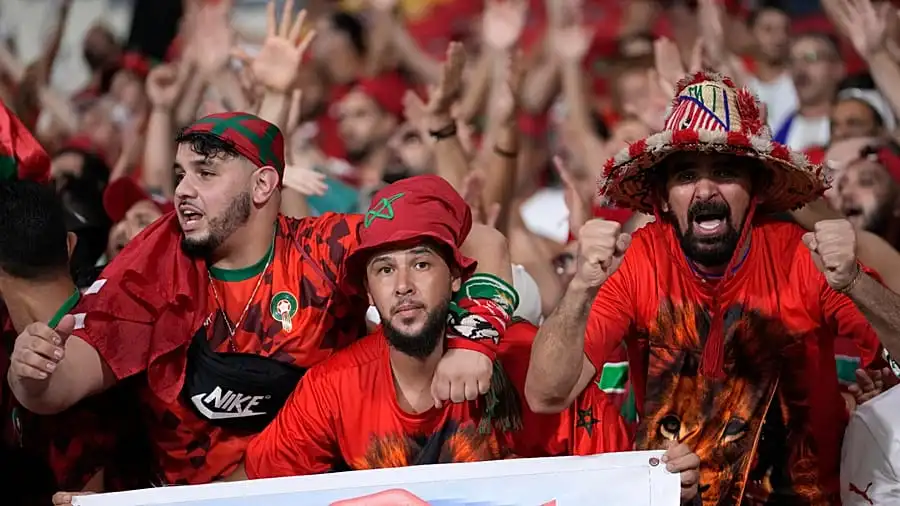
Morocco is hosting the 35th edition of the Africa Cup of Nations (AFCON), a significant football tournament that commenced on December 21, 2025. This event returns to Morocco nearly 40 years after its last staging there in 1988. Matches are being held across six cities in nine newly built or renovated stadiums, including the Hassan II Stadium, which accommodates 115,000 spectators, highlighting Morocco’s substantial investments in sports infrastructure.
However, this celebratory event has coincided with widespread protests organized by youth groups like Gen Z 212 and Moroccan Youth Voice. Demonstrators are calling for improvements in public services, particularly healthcare and education, criticizing the government’s expenditure on international sporting events while essential services remain underfunded.
The protests gained momentum after tragic incidents, such as the deaths of eight women during childbirth in a public hospital in Agadir, which spotlighted critical failures in the healthcare system. In response to the unrest, the Moroccan government has enforced increased security measures, including deploying more police and using surveillance technology. Despite these efforts, protests persist, reflecting deep-rooted frustrations among the youth over social inequality and prioritization of sports over essential public services.
Prime Minister Aziz Akhannouch expressed willingness for dialogue, recognizing the government’s duty to respond to the social and economic concerns raised by protesters. He stressed that addressing these challenges through conversation is vital. As Morocco continues to celebrate AFCON, the nation faces the challenge of reconciling its sporting achievements with the urgent needs of its youth, a balance that will have lasting implications for the country’s social and political future.












I think its great that Morocco is hosting AFCON, but we cant ignore the important social issues that young people are protesting about.
I wonder if hosting the Africa Cup of Nations will distract from addressing the youths social concerns in Morocco. Priorities, right?
Im torn on this – should we celebrate the Africa Cup of Nations in Morocco, or focus on the youth demonstrations over social concerns? What do you think?
I think its great that Morocco is hosting AFCON, but shouldnt they address the social concerns raised by the youth? Priorities, people!
I think hosting the Africa Cup of Nations in Morocco is a good move, but lets not ignore the important social issues the youth are demonstrating for.
I believe hosting AFCON can bring positive attention to Moroccos social issues, sparking important discussions and potential progress. What do you think?
I think hosting AFCON is great for Morocco, but shouldnt they address the youth protests first? Priorities, people!
Isnt it ironic how Morocco celebrates the Africa Cup of Nations while ignoring the youths social concerns? Priorities, anyone?
I find it intriguing how Morocco can balance hosting the AFCON while addressing youth demonstrations. What are your thoughts on this?
I think its great that Morocco is hosting AFCON, but shouldnt they address the youths social concerns first? Priorities, people!
I think its great that Morocco is hosting AFCON, but lets not ignore the important social issues being brought up by the youth.
I think its great that Morocco is hosting AFCON, but shouldnt they address the youth demonstrations too? Priorities, people!
I think its great that Morocco is hosting the Africa Cup of Nations, but we cant ignore the youth demonstrations. Lets discuss both sides!
I think its great that Morocco is hosting the Africa Cup of Nations, but shouldnt they address the youth demonstrations too? Priorities, people!
Im not sure about this. Shouldnt the focus be on addressing the youths concerns rather than just hosting a football tournament?
I think its great that Morocco is hosting the Africa Cup of Nations, but shouldnt we address the social concerns raised by the youth demonstrations too?
I understand the excitement for the Africa Cup of Nations in Morocco, but shouldnt social concerns take precedence over football? Priorities, people!
I think the Africa Cup of Nations in Morocco is a distraction from the real issues facing the youth. Lets address their concerns first.
Im all for sports bringing people together, but shouldnt we address the social issues too? Lets cheer for progress on and off the field!
I think its great that Morocco is hosting AFCON, but we cant ignore the social issues. Shouldnt we address both?
Shouldnt youth concerns take priority over sports events in Morocco? Lets discuss the impact on their future!
I cant believe the government is prioritizing sports over addressing the youths concerns. Where are their priorities?
Shouldnt the focus be on the youths concerns rather than just the football tournament? Lets address real issues.
I think its great that Morocco is hosting AFCON, but shouldnt they address the youth demonstrations too? Politics and sports mix, right?