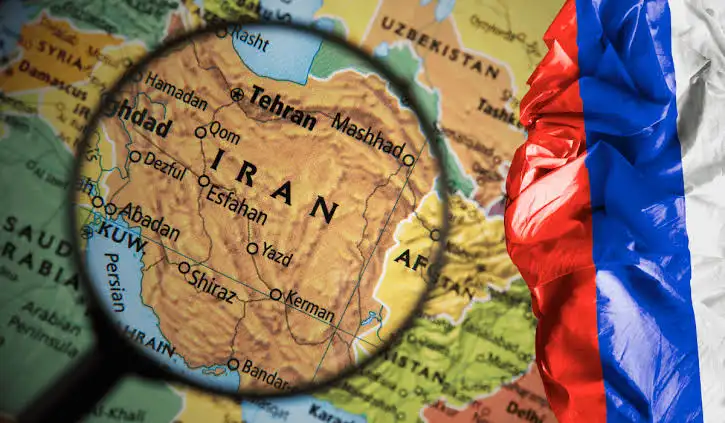
The ongoing tensions between Israel and Iran remain a central focus of global geopolitical analysis, with policymakers closely monitoring developments across the region. Diplomatic efforts, military positioning, and economic considerations continue to evolve, influencing international relations and prompting responses from major powers seeking to manage risks and maintain broader regional equilibrium.
Analysts note that recent developments have heightened concerns among neighboring states, many of which are reassessing their security strategies and diplomatic alignments. Countries across the Gulf and beyond are engaging in consultations aimed at preventing further escalation, while also preparing contingency measures. The situation underscores the complex web of alliances and rivalries that define the modern Middle Eastern geopolitical landscape.
Energy markets remain particularly sensitive to developments in the region, given its critical role in global oil and gas supply. Fluctuations in production expectations and transportation routes have contributed to market volatility, with investors reacting to perceived risks. Economists emphasize that sustained uncertainty could have ripple effects on global inflation, trade flows, and economic ility in both developed and emerging markets.
International organizations and diplomatic channels are actively working to facilitate dialogue and reduce tensions. Efforts to revive negotiations and elish communication mechanisms are seen as essential in preventing misunderstandings and unintended consequences. Observers highlight the importance of multilateral engagement, noting that coordinated diplomatic initiatives can help deescalate situations that carry significant global implications.
Military analysts continue to assess the strategic capabilities and intentions of both Israel and Iran, examining factors such as defense readiness, technological advancements, and regional influence. While both nations maintain strong positions, experts caution that miscalculations or rapid developments could alter the trajectory of the situation, reinforcing the need for careful monitoring and communication.
Public sentiment within the region reflects a mixture of concern and resilience, as communities navigate the uncertainties associated with prolonged geopolitical tensions. Media coverage and public discourse play a significant role in shaping perceptions, influencing both domestic and international narratives. This dynamic further complicates efforts to achieve consensus and ility across diverse political and cultural contexts.
As the situation continues to unfold, global leaders are expected to balance strategic interests with calls for restraint and dialogue. The evolving dynamics between Israel and Iran will likely remain a defining factor in international relations, with long term implications for security, economic development, and diplomatic cooperation across multiple regions worldwide.









Leave a comment