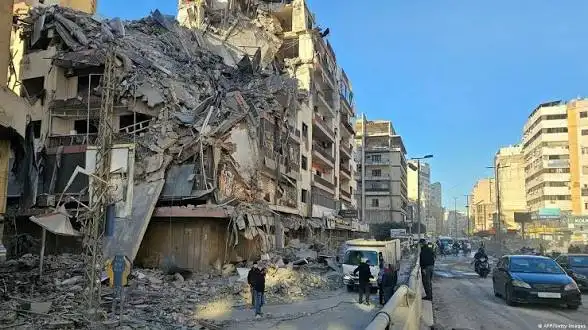
Large numbers of civilians across Iran and Lebanon are leaving their homes as the regional conflict continues to expand, creating one of the most significant humanitarian movements in the Middle East in recent years. International relief organizations and regional authorities report that millions of people have relocated from major cities and border regions in search of safer areas. The sudden movement of populations is placing enormous pressure on local infrastructure, humanitarian agencies, and neighboring communities that are struggling to provide shelter and basic necessities.
In several Iranian cities residents have begun relocating toward rural areas or provinces perceived to be less exposed to military operations. Long lines of vehicles have been observed on major highways leading away from urban centers as families attempt to move their belongings and secure temporary accommodation. Local officials have opened emergency shelters in public buildings including schools and community halls, though humanitarian groups say available space remains limited as the number of displaced people continues to grow.
Lebanon is experiencing a similar wave of civilian movement, particularly in regions c to areas where military activity has intensified. Many residents from southern communities have traveled north toward larger cities or coastal towns seeking relative safety. Relief organizations say the sudden arrival of displaced families has strained housing availability and increased demand for food, medical assistance, and basic services. Volunteers and aid workers have mobilized to distribute supplies while local charities attempt to coordinate emergency support for affected communities.
Humanitarian agencies warn that the scale of displacement could increase further if the conflict continues to spread across additional areas. Large population movements often create complex challenges including overcrowded shelters, shortages of clean water, and limited medical resources. Aid groups are calling on the international community to prepare additional humanitarian assistance as the situation evolves. The United Nations and several global relief organizations are also working with regional governments to assess the needs of displaced families.
The growing displacement crisis highlights the profound human impact of the wider regional confrontation. While military developments dominate headlines, the experiences of civilians who must abandon their homes reveal another dimension of the conflict. Families now face uncertainty about when they will be able to return and how their communities will recover. As diplomatic efforts continue to seek ways to reduce tensions, humanitarian groups emphasize that protecting civilians and providing support for displaced populations must remain a central priority for the international community.








Leave a comment