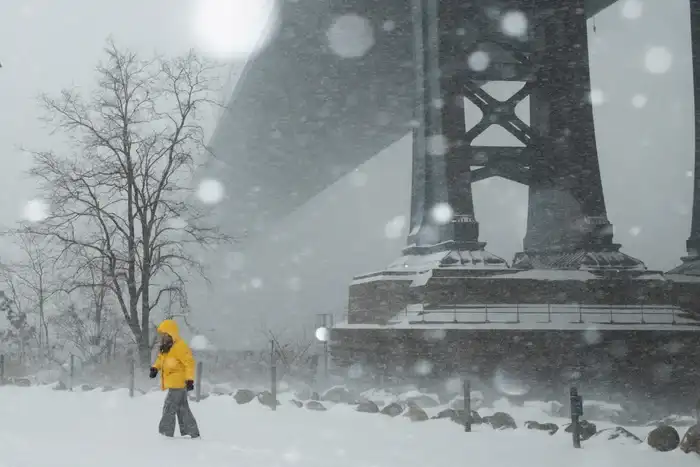
A powerful winter storm that affected large parts of the United States and Canada moved out on January 27, ending several days of severe weather that brought heavy snow, ice, extreme cold and major travel disruption, according to national weather agencies.
The storm dumped record snowfall in parts of the U.S. Midwest, Northeast and eastern Canada, while ice accumulation caused power outages across multiple states and provinces. Transportation systems were heavily impacted, with thousands of flights canceled or delayed and major highways temporarily closed due to dangerous conditions.
Emergency officials said the storm contributed to numerous traffic accidents and strained local emergency services. Utilities worked through January 27 to restore power to affected communities, while cleanup operations began as conditions improved.
Meteorologists described the system as one of the strongest winter storms of the season, driven by Arctic air colliding with moist systems from the south. Forecasters warned that lingering cold temperatures and refreezing could continue to pose risks even after the storm’s departure.
Authorities urged residents to remain cautious during recovery efforts, noting that infrastructure damage and hazardous road conditions could persist. The January storm added to concerns about extreme winter weather events and their growing impact on transportation, energy systems and public safety across North America.












Do you think winter storms are getting worse each year? I feel like theyre becoming more frequent and intense. Whats your take on this?
Can we all agree that winter storms are just natures way of reminding us whos really in charge? Mother Nature does not mess around!
Do you think winter storms are getting more intense every year, or is it just Mother Nature doing her thing? 🤔🌨️
I cant believe how quickly this storm escalated! Do you think climate ce is making these extreme weather events more frequent?
Is it just me, or does it feel like these winter storms are getting more intense every year? Stay safe out there, folks!
Do you think winter storms are getting more extreme, or are we just noticing them more due to social media? Lets discuss!
Wow, do you think the media exaggerated this winter storm? I mean, disruption happens every year, right? Just a thought.
Do you think the winter storm was overhyped or did it really cause significant disruption? Im torn!
I cant believe how quickly the weather can turn on us! Do you think were in for more wild storms this winter?