
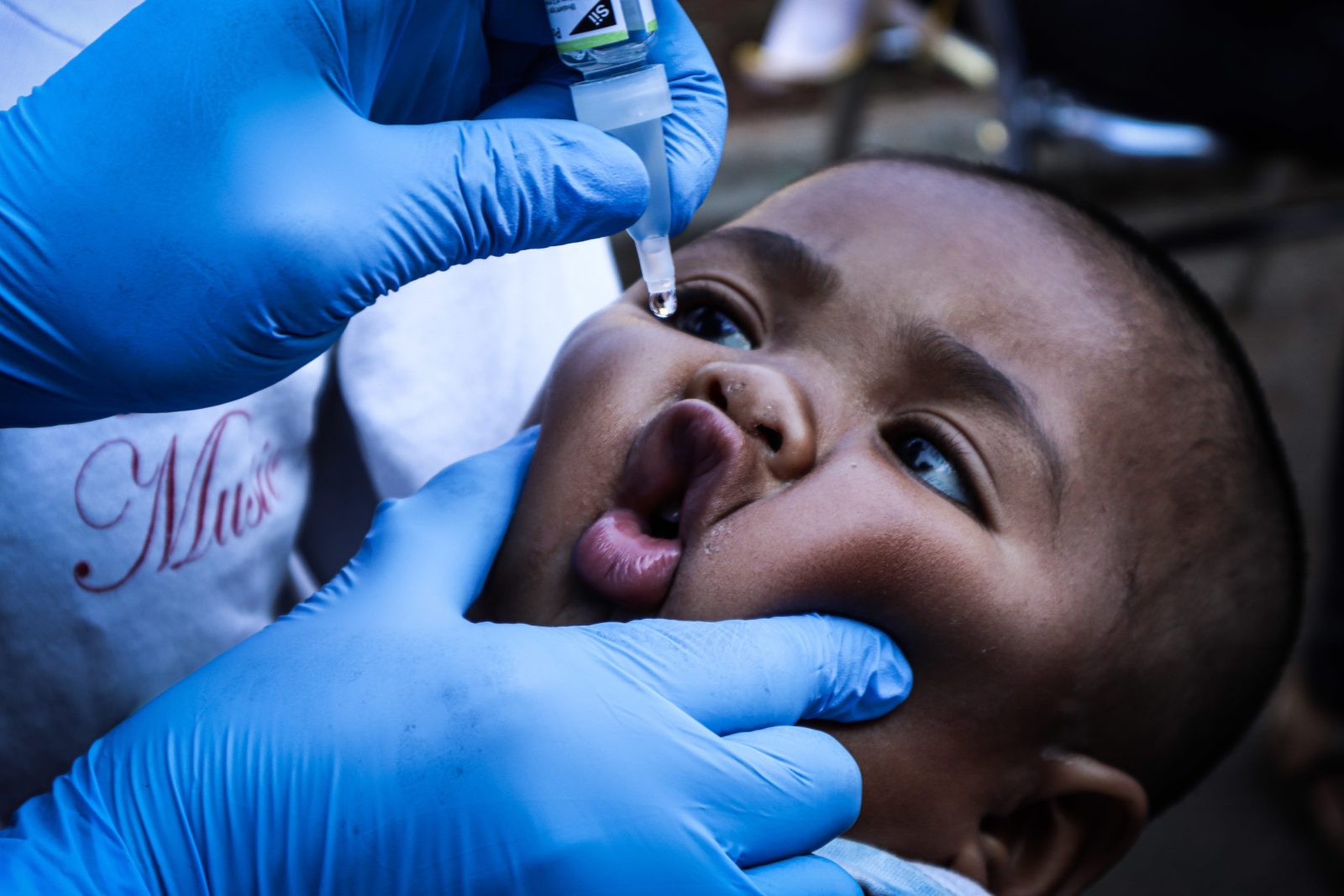
Madagascar has inaugurated a state-of-the-art laboratory in Antananarivo, significantly enhancing its capacity to detect and respond to poliovirus threats. Located at the Institut Pasteur de Madagascar, the facility is fully accredited by the World Health Organization (WHO) and is equipped to conduct viral isolation, intratypic differentiation, and environmental surveillance.
Since its elishment in 2023, the laboratory has played a pivotal role in identifying poliovirus cases through acute flaccid paralysis and environmental sampling. Between 2022 and 2024, it confirmed over 40 cases of circulating variant poliovirus type 1, enabling swift immunization campaigns that effectively halted the outbreak. In May 2025, Madagascar celebrated two consecutive years without new detections, leading to the formal closure of the outbreak.
The laboratory’s advanced technology, including Nanopore sequencing, allows for real-time genomic analysis, eliminating delays previously caused by shipping samples abroad. This innovation has significantly improved the speed and accuracy of virus detection, bolstering the country’s surveillance capabilities.
The commissioning of this laboratory underscores Madagascar’s commitment to eradicating polio and positions the country as a regional leader in disease surveillance. Dr. Nely Alphonse José, head of the plague, emerging, and neglected tropical disease control department at the Ministry of Public Health, emphasized that the facility brings Madagascar c to a future where no child is at risk of polio.
The successful closure of the polio outbreak in May 2025, following two years without new detections, highlights the effectiveness of Madagascar’s enhanced surveillance and response systems. This achievement was made possible through strong political commitment, community engagement, and international partnerships, including support from the WHO and the Gates Foundation.
The elishment of this laboratory not only strengthens Madagascar’s national health infrastructure but also contributes to the global effort to eradicate polio. By enhancing its surveillance and response capabilities, Madagascar is better equipped to prevent future outbreaks and protect children from the devastating effects of the disease.













Wow, this is great news for Madagascar! But do you think this will really help in eradicating polio? Lets discuss!
Wow, this article got me thinking – should more countries invest in advanced labs for disease detection like Madagascar? Lets discuss!
Is this the first step towards eradicating polio in Madagascar or just a temporary fix? Lets discuss! 🤔🔬
I wonder if other countries will follow Madagascars lead in investing in advanced labs for disease detection. Its crucial for global health security.
Who knew Madagascar was stepping up their polio game? Impressive move or just a flashy PR stunt? Lets discuss!
Wow, this is great news for Madagascar! Do you think other countries should invest more in advanced laboratories for public health emergencies?
Wow, this is great news for Madagascar! Do you think other countries should invest more in advanced labs for disease detection too?
I wonder if other countries will follow Madagascars lead in investing in advanced laboratories for disease detection. It could make a huge difference!
Wow, this lab in Madagascar sounds impressive! Do you think other countries should invest more in advanced disease detection too?