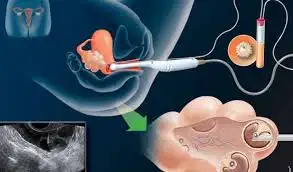
Couples planning to start a family in 2026 may have a simple strategy to improve their chances of conception, according to a landmark study published in The Lancet. Researchers from the First Hospital of Jilin University in China found that men who abstained from ejaculation for just 48 hours before providing a semen sample for conventional IVF (c-IVF) experienced significantly higher pregnancy rates.
The study, which involved nearly 500 men, challenged decades of conventional advice recommending a two-to-seven-day wait. Participants were split into two groups: one followed the traditional multi-day abstinence, while the other ejaculated exactly 48 hours before sample collection on the day of egg retrieval.
Results were striking. The 48-hour group achieved a clinical pregnancy rate of 54.4 percent, compared to 44.9 percent in the longer-abstinence group. Ongoing pregnancy rates—those lasting past the 12-to-20-week milestone—also improved, at 46 percent versus 36 percent. Researchers noted that using the trigger-day as the last ejaculation point could enhance pregnancy outcomes in c-IVF.
Experts suggest that shorter abstinence may provide “fresher” sperm with less DNA damage from oxidative stress, despite larger volumes associated with longer waits. Dr. David Miller, a fertility specialist at the University of Leeds, cautioned that while the 10 percent improvement is promising, the ultimate measure remains live birth rates.
The study comes amid a global decline in sperm quality, which has dropped by nearly 50 percent over the past 70 years, linked to environmental toxins and lifestyle factors. Male infertility is increasingly recognized as an early indicator of broader health risks, including heart disease and testicular cancer.
The “48-hour rule” represents a rare, cost-free intervention for couples seeking to improve fertility outcomes, offering a simple adjustment with potentially significant benefits in an increasingly challenging reproductive landscape.













Im not convinced. I mean, 48 hours seems arbitrary. Why not 47 or 49? Need more research on this!
Wow, this study on 48-hour abstinence and IVF is intriguing! Do you think its worth the sacrifice for higher pregnancy rates? Lets discuss!
Hmm, I wonder if this study considered the emotional toll of 48-hour abstinence on couples undergoing IVF. Its not just physical, right?
Do you think a 48-hour abstinence period really makes a difference in IVF success rates? Seems like an interesting debate!
Wow, wait, does this mean we should all be on a 48-hour abstinence streak for better IVF results? Interesting debate ahead!
Im not convinced that a 48-hour abstinence period is a game-cer for IVF success. More research needed, right?
Wow, do you think the 48-hour abstinence rule for IVF is legit or just a coincidence? Im skeptical!