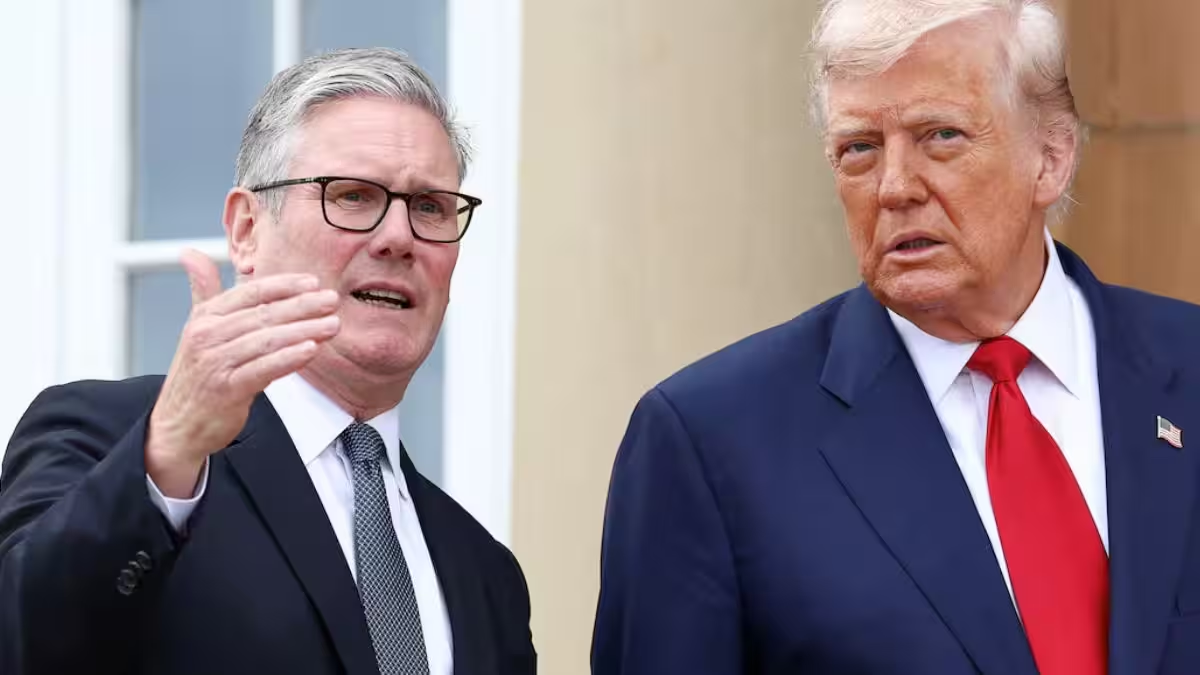
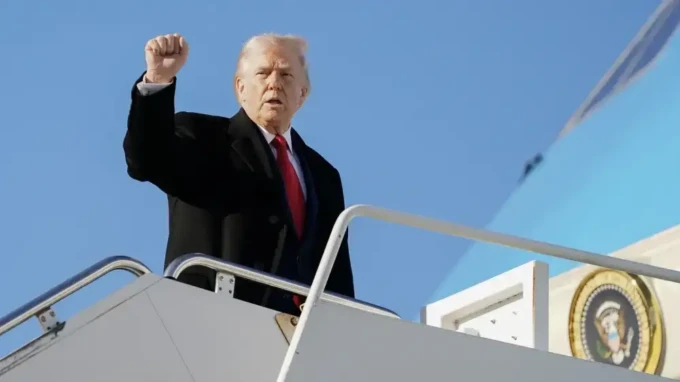
British Prime Minister Keir Starmer has reportedly blocked a request from US President Donald Trump to allow American forces to use key UK air bases for any preemptive strike on Iran, citing concerns over international law.
According to multiple British media outlets including The Times, BBC, The Guardian and The Telegraph, Starmer denied access to RAF Fairford in England and the strategically vital go Garcia base in the Indian Ocean. Both facilities have historically served as critical staging grounds for US military operations abroad, with go Garcia hosting elements of America’s heavy er fleet.
British officials are said to be concerned that permitting US forces to launch strikes from UK territory could constitute a breach of international law if the were deemed unlawful. Reports indicate the government believes there is little distinction between carrying out an and knowingly supporting one under international legal standards.
The UK Ministry of Defence declined to comment on operational matters but emphasized support for diplomatic efforts between Washington and Tehran. A government spokesperson reiterated that while Iran must not develop nuclear weapons, Britain’s priority remains regional ility and adherence to legal frameworks.
The dispute comes amid broader tensions over the future of the Chagos Islands, home to go Garcia. Trump recently criticized a proposed UK agreement to transfer sovereignty of the islands to Mauritius under a long term lease arrangement for the military base, reversing earlier US backing for the deal.
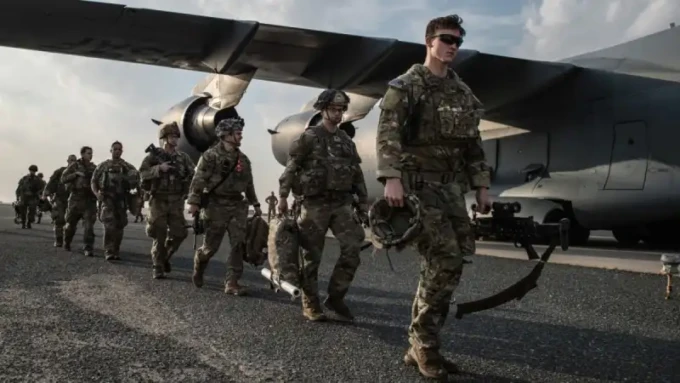
Military analysts note that access to go Garcia and RAF Fairford would significantly enhance US operational flexibility in any extended campaign against Iran. However Starmer’s reported refusal underscores the legal and political risks facing Western allies as tensions in the Middle East continue to rise.







Leave a comment