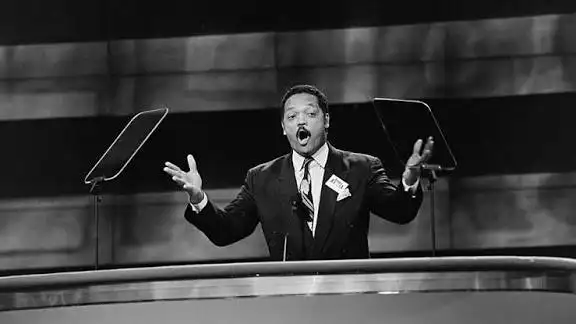
The United States is mourning the death of veteran civil rights leader Jesse Jackson, who passed away at the age of eighty four after decades at the forefront of social justice activism. Jackson was widely recognized as a prominent voice in the struggle for racial equality, economic inclusion, and political representation, leaving an enduring imprint on American public life.
Born in South Carolina, Jackson rose to national prominence during the civil rights movement, working closely with Martin Luther King Jr. and other prominent figures advocating for an end to segregation and discrimination. His powerful oratory and grassroots organizing ss propelled him into leadership roles that extended beyond protest marches into the political arena.
Jackson founded the Rainbow PUSH Coalition, an organization dedicated to promoting social justice and expanding opportunities for marginalized communities. Through voter registration drives, economic empowerment initiatives, and corporate accountability campaigns, he sought to bridge racial and economic divides. His presidential campaigns brought issues of inequality and minority representation into mainstream political discourse, reshaping the national conversation about diversity and inclusion.
Throughout his career, Jackson was both celebrated and scrutinized. Supporters praised his unwavering commitment to confronting injustice and amplifying underrepresented voices. Critics sometimes challenged his tactics or political alliances, yet few disputed his influence on the trajectory of civil rights advocacy in the United States.
In later years, Jackson continued to engage in public life, advocating for prison reform, voting rights protections, and international human rights causes. He also served as a diplomatic intermediary in several high profile negotiations, demonstrating a willingness to operate across political boundaries.
Political leaders across party lines offered condolences, describing Jackson as a transformative figure whose life embod the persistent pursuit of equality. Community organizations held vigils honoring his legacy, reflecting on his role in shaping a more inclusive democratic process.
Historians note that Jackson’s contributions extended beyond specific legislative victories. His broader impact lay in sustaining the moral urgency of the civil rights movement into subsequent generations. By connecting economic justice with racial equity, he framed civil rights as an evolving, multifaceted endeavor.
As the nation reflects on his passing, many point to the enduring relevance of the principles he championed. The story of Jesse Jackson stands as a reminder of the power of sustained advocacy and the ongoing quest to fulfill the promise of equal opportunity.













Leave a comment