
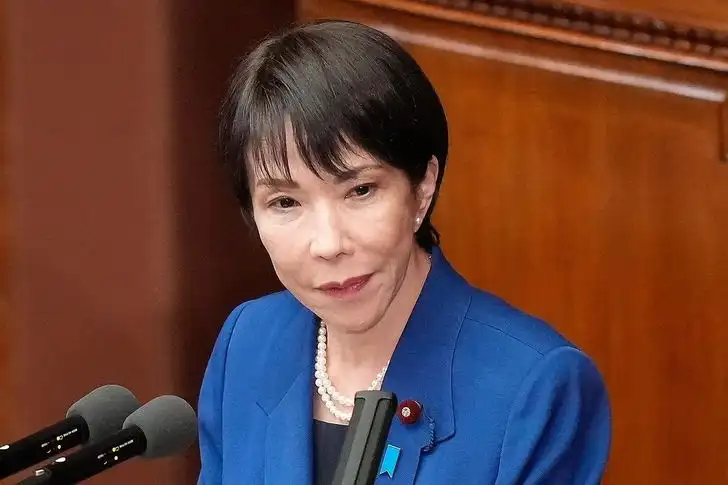
Japanese Prime Minister Sanae Takaichi has urged for proactive fiscal spending to stimulate economic growth and enhance tax revenues, advocating a responsible and strategic approach rather than reckless expansion. Speaking at an economic policy panel organized by the Keidanren business lobby, she acknowledged concerns about Japan’s fiscal health, especially as the 10-year Japanese government bond yield recently hit an 18-year high. This situation raises apprehensions that increased government spending could worsen the nation’s already significant public debt.
Former Bank of Japan Deputy Governor Masazumi Wakatabe echoed this sentiment, stressing the need to elevate Japan’s neutral interest rate by boosting the country’s potential growth through targeted fiscal policies. He warned against hasty interest rate hikes and the premature withdrawal of monetary support, even as the Bank of Japan prepares for potential rate increases following its two-day policy meeting.
Recently, Japan’s upper house of parliament approved an 18.3 trillion yen ($118 billion) supplementary budget, marking the largest economic stimulus package since the COVID-19 pandemic. This reflects Takaichi’s commitment to expansionary fiscal policies, despite ongoing concerns about fiscal sustainability. Additionally, the draft budget for fiscal year 2026 is projected to exceed 120 trillion yen (approximately $775 billion), largely driven by rising social welfare costs, increased defense spending, and the burden of servicing Japan’s substantial public debt.
While these fiscal measures aim to boost economic growth, they have also contributed to rising government bond yields, with markets anticipating higher debt issuance. The Bank of Japan has shown hesitance to intervene in response to the rising yields, indicating that long-term rates should be determined by market forces, unless a drastic market reaction occurs. Takaichi’s approach underscores her administration’s focus on strategic spending while managing the complexities of public debt and market dynamics.












Is fiscal investment really the key to Japans economic growth? Lets discuss! 🤔💸 #DebateTime
Isnt it risky for Japan to rely so heavily on fiscal investment for economic growth? What about long-term sustainability?
Is increasing fiscal investment really the key to Japans economic growth, or are there better alternatives? Lets discuss!
Is more spending really the answer? Lets discuss the risks and benefits of Japans fiscal investment strategy.
Is active fiscal investment really the key to boosting Japans economy? Im not convinced, but open to hearing more!
Im not convinced! Isnt active fiscal investment just a band-aid solution? What about long-term sustainability? Lets discuss!
Is Japans fiscal investment strategy sustainable or just a short-term fix? Lets discuss the long-term implications. Thoughts?