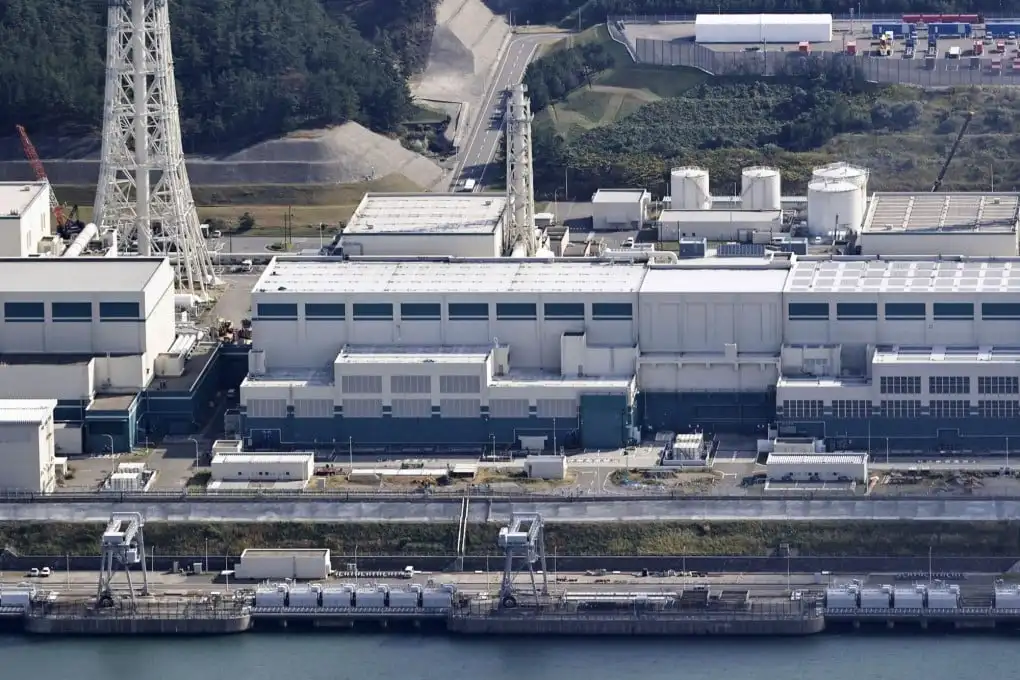
Japan has suspended the restart of a reactor at the Kashiwazaki-Kariwa nuclear power plant the world’s largest by capacity just a day after the process began, according to its operator, Tokyo Electric Power Company Holdings (TEPCO). The company said the reactor remains le and there is no safety risk.
The No. 6 reactor at the plant in Niigata prefecture, which has been shut down since the 2011 Fukushima nuclear disaster, was reactivated on Wednesday when workers began withdrawing neutron absorbing control rods to initiate a le nuclear fission reaction. However, the process was halted hours later due to a malfunction involving electrical equipment linked to the control rods.
The issue posed no safety threat and confirmed there had been no release of radiation. The company later decided to place the reactor back into shutdown mode to allow for a more thorough inspection. A spokesperson said investigations into the malfunction were ongoing and the duration of the suspension remains unclear.
Control rods play a critical role in managing nuclear reactions, allowing operators to accelerate, slow, or completely stop fission inside a reactor. The restart had already been delayed from its original schedule after a separate technical issue involving the rods was detected last weekend and resolved earlier this week.
Kashiwazaki-Kariwa, which has seven reactors, was taken offline after Japan shut down its nuclear fleet following the earthquake and tsunami that triggered meltdowns at the Fukushima Daiichi plant in 2011. Only one reactor at the facility was involved in the latest restart attempt.
Japan, which lacks natural energy resources, has been gradually reviving nuclear power to cut dependence on fossil fuels, meet rising electricity demand including from artificial intelligence and achieve carbon neutrality by 2050. Fourteen reactors nationwide have resumed operations since 2011, but this would have been the first TEPCO operated reactor to restart.
If fully operational, the No. 6 reactor could supply about 1.35 million kilowatts of electricity, enough to power more than one million households in the Tokyo area. However, public opinion in Niigata remains sharply divided, with a majority opposing the restart over safety concerns, particularly due to the plant’s location near an active seismic fault line.








Wow, Japan suspending the restart of the worlds largest nuclear reactor again? Are they playing with fire or being cautious? What do you think?
Do we trust Japans nuclear safety measures after this incident? Are they prioritizing safety or risking disaster? Lets discuss! 🤔🇯🇵 #NuclearPowerSafety
Cant believe they suspended the reactor restart again! Do you think nuclear energy is worth the risks? Lets discuss.
Wow, can you believe the timing of this technical glitch? Is it a sign from the universe to shift away from nuclear power?
Wow, cant believe Japans nuclear reactor suspension. Do you think its a good call or an overreaction? Lets discuss!
Wow, this nuclear reactor situation in Japan is intense. Do you think we should rely more on renewable energy sources instead?
Do we really trust nuclear power after all these incidents? Safety first, right? Better safe than sorry. #nuclearpowerdebate
Do we trust nuclear power after this incident? Safety first or is the risk worth it? Lets discuss.
Wow, does this mean we should rethink nuclear power altogether? Safety first, but whats the alternative? 🤔