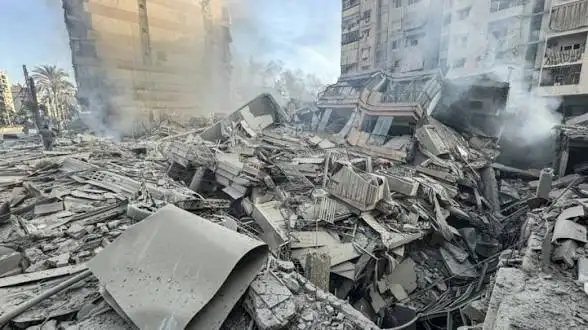
Large scale Israeli strikes across southern and eastern Lebanon have forced vast civilian movements, sending hundreds of thousands toward safer districts as emergency shelters fill rapidly. Local authorities report crowded highways, strained hospitals, and urgent needs for food, water, and electricity. Humanitarian groups warn displacement on this scale risks long term social and economic disruption nationwide today overall.
Officials in Lebanon say municipal teams are coordinating evacuations while schools and public buildings convert into temporary accommodation centers. Aid agencies describe families arriving with minimal belongings, many separated during hurried departures. Telecommunications remain intermittent in several areas, complicating reunification efforts and obscuring precise population figures as assessments continue under challenging security conditions across affected regions nationwide currently.
Military statements from the Israel Defense Forces assert operations target armed positions and infrastructure linked to Hezbollah, aiming to reduce cross border threats. Residents, however, report extensive damage to residential blocks and utilities. Independent verification remains limited as access constraints and ongoing hostilities restrict journalists and monitors seeking clearer casualty and displacement assessments for transparency and accountability purposes internationally.
Urban centers including Beirut experience rising arrivals that stretch transportation networks and public services. Volunteers organize reception points distributing meals, bedding, and medical triage. Power shortages complicate cold storage for medicines, while fuel queues lengthen. Economists caution prolonged displacement could depress local commerce and deepen fiscal pressures already facing municipalities throughout the country amid continuing regional tensions today.
International responders, led by the United Nations, coordinate cross border aid corridors and funding appeals to sustain relief operations. Neighboring states discuss temporary residency arrangements and logistics support. Rights groups emphasize civilian protection obligations under humanitarian law, urging proportional conduct and safe passage assurances for those relocating from frontline communities as winter supply planning accelerates across agencies globally.
Financial markets react to the upheaval with cautious trading patterns, reflecting concern about regional spillovers and shipping routes. Energy analysts monitor pipeline flows and port activity for disruption signals. Insurers reassess risk exposure, while airlines reroute selected flights. Policy institutes call for diplomatic channels to contain escalation and prioritize civilian safeguarding through sustained dialogue and coordinated international engagement.
Community leaders appeal for ceasefire efforts and expanded humanitarian access as displacement figures climb. Education schedules face interruption, and psychosocial services scale to assist affected families. Data teams compile needs assessments to guide resource allocation. Observers say recovery prospects hinge on de escalation steps and durable arrangements that restore security and livelihoods for returning residents when conditions permit.









Leave a comment