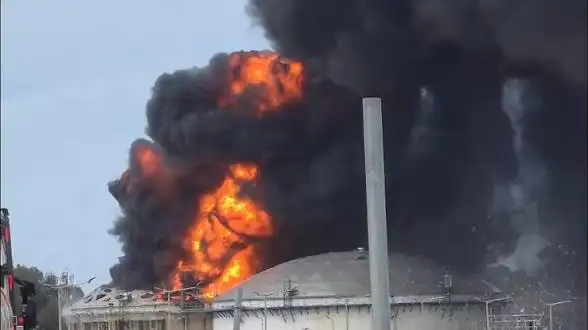
An Israeli refinery has reportedly sustained significant damage as regional hostilities continue, marking a new phase in the ongoing confrontation. Officials familiar with the situation said the facility was struck during overnight operations, raising concerns about energy production capacity. The development highlights growing risks to critical infrastructure across the region amid escalating military pressure in recent hours now.
Energy analysts warn that damage to refining capabilities could tighten fuel availability in both domestic and export markets. Traders monitoring crude flows noted that disruptions at processing sites often have wider ripple effects than upstream supply issues. Authorities have yet to release detailed assessments, but preliminary estimates suggest repairs may take considerable time to complete very soon indeed.
Government sources indicated emergency response teams were deployed to contain potential secondary incidents, including fire outbreaks and hazardous material leaks. Environmental agencies are also monitoring air and water quality in nearby communities as a precautionary measure. Residents living close to the refinery have been advised to follow official guidance and remain alert for further instructions at this time.
Regional security experts say the incident underscores the expanding scope of targets in the broader confrontation, with industrial assets increasingly at risk. Such developments may complicate strategic calculations for all parties involved. The refinery plays a role in supplying refined products, and any prolonged outage could influence pricing dynamics and distribution patterns across interconnected energy markets going forward.
International observers are closely watching the situation as tensions show few signs of easing. Diplomatic channels remain active, yet progress appears limited amid continued operations and retaliatory actions. Several governments have urged restraint while emphasizing the importance of safeguarding civilian infrastructure. The refinery incident adds urgency to calls for de escalation and renewed negotiations between the involved parties.
Market participants have begun adjusting forecasts in response to the reported damage, factoring in possible disruptions to refined product output. Shipping companies operating in nearby waters are also reviewing safety protocols. Insurance costs for energy related transport may rise if risks persist. Analysts note that uncertainty often amplifies volatility, particularly when critical facilities are drawn into regional confrontations.
Officials have not confirmed the full extent of the damage, and independent verification remains limited due to restricted access to the site. Nonetheless, the reported strike on a key industrial facility signals a deepening crisis with potential long term consequences. Observers warn that continued pressure on energy infrastructure could reshape regional economic conditions and complicate future recovery efforts.










Leave a comment