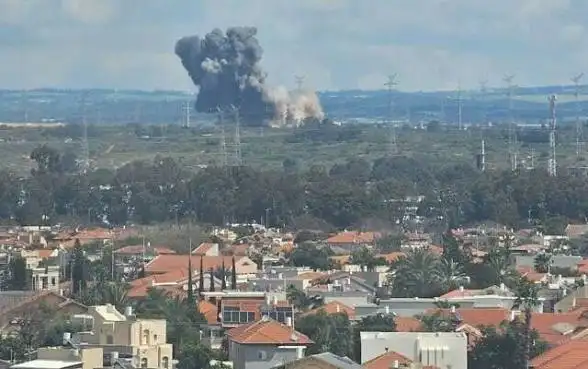
Israeli military officials confirmed a series of coordinated operations aimed at Iranian missile development centers and naval mine manufacturing locations, marking a significant escalation in ongoing hostilities between the two countries. According to defense sources, the operations focused on facilities believed to play a critical role in Iran’s strategic weapons production and maritime capabilities, raising regional tensions and international concern significantly.
Authorities in Israel stated that the operations were carried out with precision targeting to limit unintended damage while disrupting key components of Iran’s military infrastructure. Analysts note that these facilities have long been associated with advanced missile systems and naval mine deployment technologies, which are considered central to Iran’s defensive and deterrence strategies in the Persian Gulf and surrounding waters.
Iranian officials acknowledged impacts on several industrial sites but emphasized that the country’s broader defense capabilities remain intact. Government representatives described the incidents as part of a broader pattern of external pressure, asserting that Iran would continue to maintain its strategic readiness. State media highlighted resilience efforts and ongoing restoration work across affected areas to ensure continuity of operations.
The development has intensified concerns among neighboring countries, particularly those along critical maritime routes. Regional observers warn that disruptions to naval mine production could have implications for shipping safety, especially in sensitive waterways such as the Strait of Hormuz, where global energy supplies frequently transit under heightened security conditions amid rising geopolitical tensions.
International reactions have been swift, with several governments urging restraint and calling for renewed diplomatic engagement to prevent further escalation. Western allies expressed concern over the potential for miscalculation, while emphasizing the importance of maintaining freedom of navigation and regional security. Diplomatic channels are reportedly being explored to reduce the likelihood of additional confrontations.
Military analysts suggest that targeting production infrastructure represents a strategic effort to limit future capabilities rather than immediate battlefield outcomes. This approach may signal a shift toward longer term operational objectives, focusing on weakening supply chains and technological development. However, such actions also carry the risk of prompting retaliatory measures that could widen the scope of the conflict.
Humanitarian organizations continue to monitor the broader consequences of the ongoing hostilities, warning that prolonged disruptions could affect civilian populations and economic ility across the region. Calls for de escalation remain consistent among international bos, as fears grow that continued military operations may further strain already fragile regional dynamics and complicate efforts toward peaceful resolution.







Leave a comment