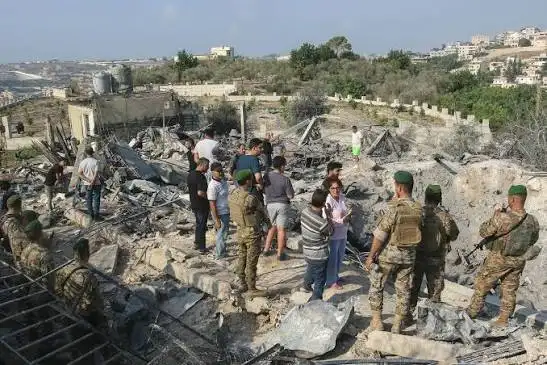
Israel has expanded its military operations in southern Lebanon, signaling a shift in the scale and scope of its ongoing campaign along the northern frontier. Officials stated that the move is aimed at securing border communities and reducing threats posed by armed groups operating in the region, as tensions continue to rise across multiple fronts.
Government representatives indicated that the broader operation involves coordinated ground maneuvers supported by aerial surveillance and precision targeting. Military sources emphasized that the objective is to dismantle infrastructure believed to support hostile activities while maintaining defensive positions near the border. The expansion follows a series of confrontations that have intensified over recent weeks.
Residents in southern Lebanon have reported increased military presence and heightened activity across several towns and rural areas. Local authorities have raised concerns about the humanitarian implications of prolonged operations, including displacement and disruptions to essential services. Aid organizations are monitoring the situation closely as access to affected communities becomes more challenging.
Regional observers note that the escalation in southern Lebanon is occurring alongside wider developments involving neighboring countries. The interconnected nature of the conflict has heightened fears of a broader regional crisis, with multiple actors becoming increasingly involved. Analysts suggest that miscalculations could further deepen the situation if diplomatic efforts do not gain traction.
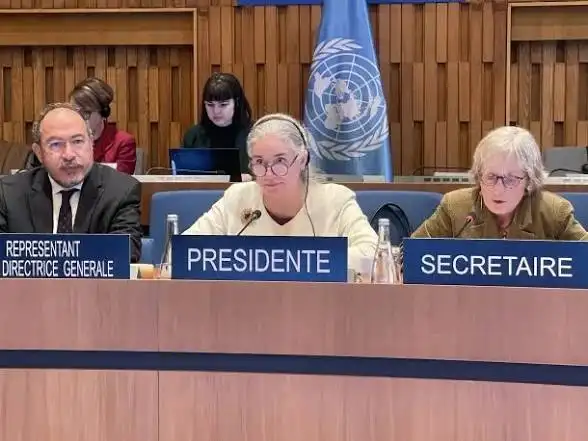
International reactions have been swift, with several governments urging restraint and calling for renewed dialogue. Diplomatic channels remain active, although progress appears limited amid ongoing military developments. The United Nations has reiterated its appeal for adherence to international law and the protection of civilians caught in the conflict.
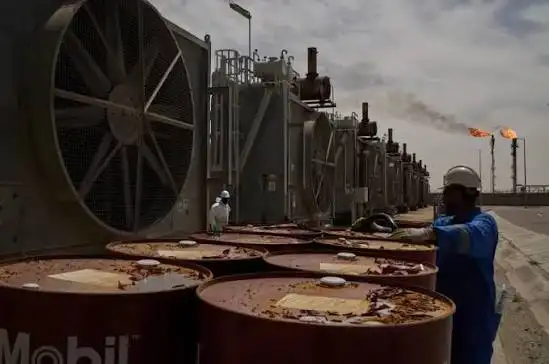
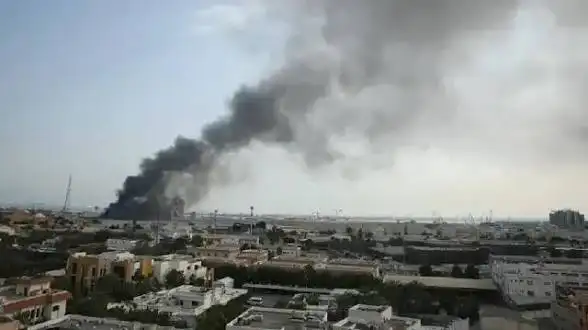
Economic implications are also emerging as uncertainty affects trade routes and investor confidence across the region. Markets have shown signs of volatility, reflecting concerns over prolonged disruptions. Energy infrastructure and transportation networks are under increased scrutiny as stakeholders assess potential risks linked to continued military activities.
As operations continue, attention remains focused on whether the expansion will achieve its stated objectives or contribute to further escalation. The coming days are expected to be critical in determining the trajectory of the situation, with both military and diplomatic efforts shaping the broader outcome across the region.







Leave a comment