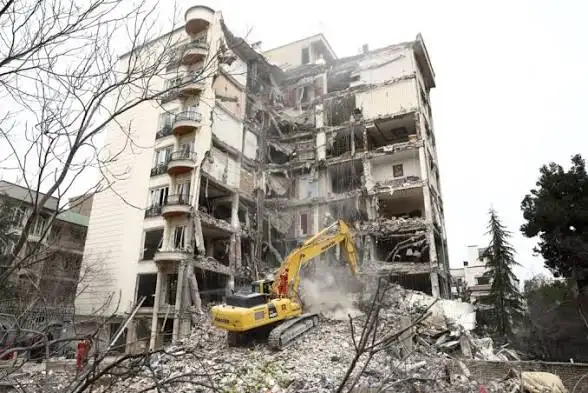
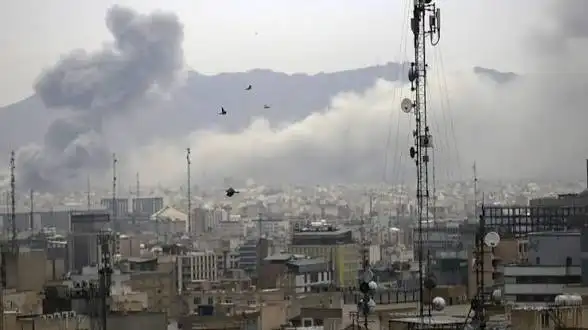
Residents in southern districts of Tehran are facing mounting hardship as recent air operations have impacted densely populated areas, disrupting daily life and straining local resources. Reports from emergency responders indicate that residential buildings and essential infrastructure have sustained damage, leaving many families displaced and dependent on community networks for immediate shelter and assistance during an already tense period.
Medical personnel working in affected neighborhoods describe a steady influx of injured civilians requiring urgent care, placing pressure on hospitals and temporary treatment centers. Volunteers and local organizations have mobilized to support relief efforts, distributing supplies and coordinating transportation for those in need, while authorities continue to assess the scale of the situation across impacted zones.
Eyewitness accounts highlight scenes of confusion and distress as residents attempt to navigate damaged streets and locate missing relatives. Many have described disruptions to electricity and water services, complicating rescue operations and daily survival. Communication networks have also experienced interruptions, making it more difficult for families to stay connected and for responders to coordinate effectively.
Government officials in Tehran have condemned the incidents, asserting that civilian areas should not be subjected to military actions. They have called for international attention to the humanitarian consequences unfolding on the ground, emphasizing the need for accountability and adherence to elished norms intended to protect noncombatants during periods of armed confrontation.
Meanwhile, international organizations are closely monitoring developments and evaluating potential avenues for humanitarian assistance. Aid agencies are preparing contingency plans aimed at delivering medical supplies, food, and temporary shelter materials, though access challenges and security concerns continue to complicate the logistics of any large scale response in the affected regions.
Analysts suggest that the situation in southern Tehran underscores the broader risks associated with continued hostilities, particularly in urban environments where civilian populations are concentrated. The potential for further disruption remains high, with experts warning that prolonged operations could deepen humanitarian needs and place additional strain on already limited local capacities.
As conditions evolve, residents and officials alike are seeking ways to adapt to rapidly cing circumstances while hoping for a reduction in tensions. The experiences of those in the affected districts serve as a stark reminder of the human dimension of conflict, where ordinary people often bear the most immediate and lasting consequences of geopolitical developments.






Leave a comment