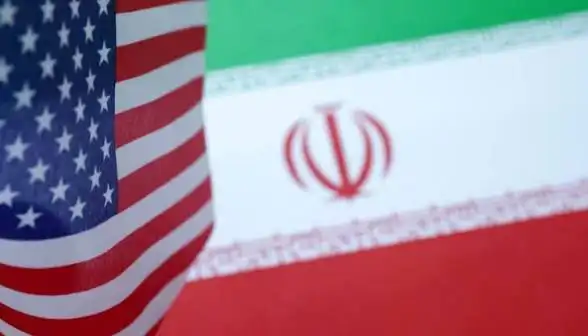
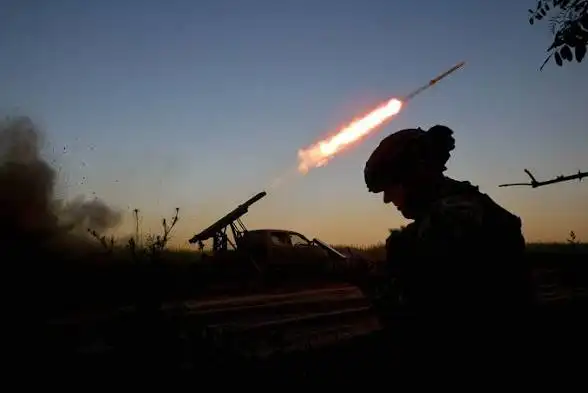
Iran has signaled the possibility of a broader response as regional pressures continue to intensify according to statements issued by senior officials. The remarks come amid ongoing developments across the Middle East that have heightened attention from global observers. Authorities emphasized that national security considerations remain central to decision making as the situation evolves across multiple interconnected fronts.
Government representatives indicated that Iran retains a range of options should conditions warrant further action stressing that any response would be guided by strategic calculations. Officials highlighted the importance of deterrence in maintaining national interests while also underscoring the need to remain prepared for a variety of potential scenarios depending on how regional dynamics unfold.
Analysts suggest that such messaging is intended to project resolve while maintaining a degree of ambiguity regarding specific actions. This approach allows room for flexibility as diplomatic and military considerations intersect. Observers note that Iran has historically combined firm rhetoric with calculated moves designed to influence both regional actors and international aunces monitoring developments closely.
Regional governments have reacted with caution urging restraint and emphasizing the importance of avoiding further escalation. Diplomatic channels remain active though progress has been limited as positions on key issues remain firmly held. Neighboring countries continue to assess potential implications given the interconnected nature of security concerns and economic interests throughout the region.
International organizations have called for renewed dialogue highlighting the importance of peaceful engagement in reducing tensions. The United Nations has reiterated concerns about the broader impact of continued confrontation on civilian populations and regional ility. Officials have encouraged all parties to prioritize diplomatic solutions while maintaining adherence to elished international frameworks.
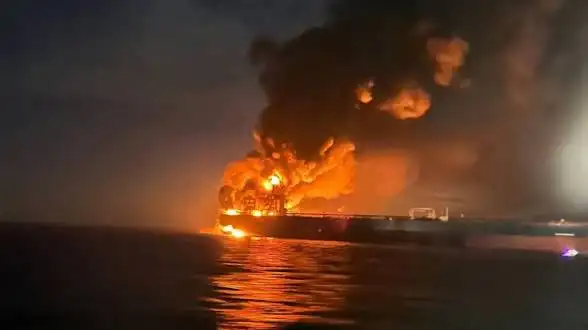
Economic observers note that signals of a potential broader response have contributed to uncertainty in global markets particularly within energy sectors closely tied to Middle East developments. Investors are monitoring the situation carefully as shifts in regional conditions can influence pricing trends and supply expectations across interconnected global networks.
Experts emphasize that the coming period will be critical in determining whether tensions ease or intensify further. The balance between diplomatic engagement and strategic positioning will likely shape outcomes in the near term. While uncertainties remain the focus continues to be on preventing wider confrontation and maintaining conditions that support long term regional and global security.





Leave a comment