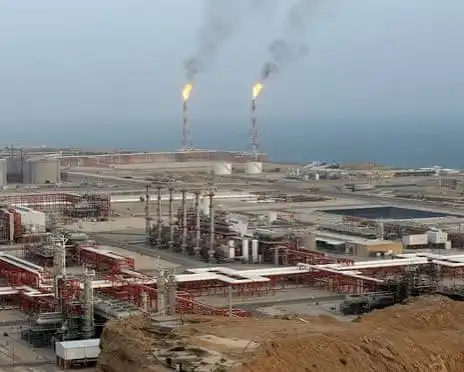
Iran has launched a retaliatory operation targeting a major gas facility in Qatar following reported Israeli action against the South Pars field, marking a significant escalation in tensions that are increasingly affecting regional energy infrastructure and raising concerns among global markets about supply disruptions and the potential for broader conflict involving key Gulf producers.
Authorities in Tehran described the move as a proportional response aimed at demonstrating capability and resolve, while officials in Qatar confirmed disruptions at the affected site and initiated emergency protocols to secure operations, assess damage, and maintain safety for personnel, as neighboring states heightened alert levels across critical infrastructure and transportation networks throughout the Gulf region.
Energy experts warned that even limited disruptions to facilities in the Gulf can have outsized impacts on global supply chains, given the region’s central role in liquefied natural gas exports, with traders reacting swiftly to developments by adjusting pricing expectations and factoring in increased risk premiums tied to potential future incidents across interconnected production systems worldwide.
Diplomatic channels have been activated rapidly as international actors urge restraint and seek to prevent further escalation, with several countries offering mediation support and emphasizing the importance of safeguarding civilian infrastructure, while global institutions monitor the situation closely and assess implications for energy security and regional ility amid ongoing geopolitical tensions.
Security analysts highlighted the strategic significance of the targeted facility, noting that such actions signal a willingness to expand the scope of confrontation beyond traditional theaters, potentially increasing the risk of miscalculation, especially as multiple actors maintain heightened readiness and overlapping operational zones in a region already under considerable strain from prolonged tensions.
Shipping and insurance sectors have begun reassessing exposure in the Gulf, with companies considering route adjustments and additional safeguards, while governments review contingency measures including reserve releases and coordination strategies to mitigate economic impacts, reflecting a growing awareness that energy disruptions can ripple quickly through global markets and affect a wide range of industries.
The incident underscores the fragile balance between deterrence and escalation in the Middle East, as each action prompts responses that deepen uncertainty, with observers warning that sustained pressure on energy infrastructure could have long lasting consequences for economic ility, diplomatic relations, and the security landscape shaping the region and the broader international community.










Leave a comment