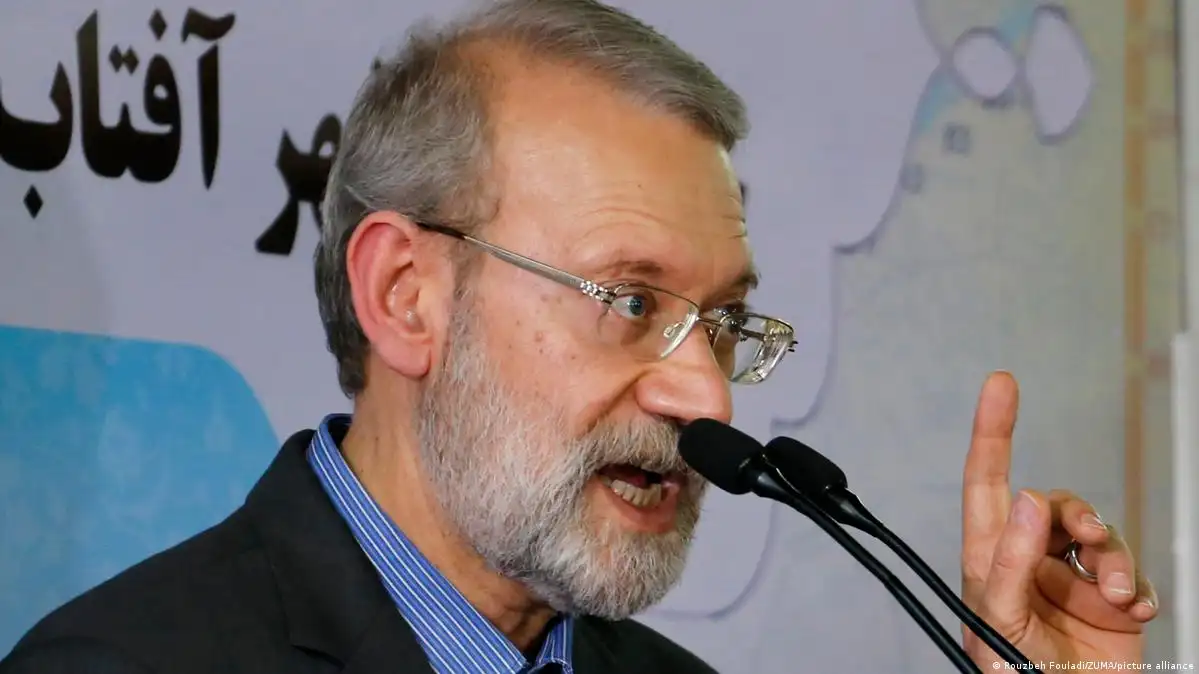
Authorities in Iran announced a firm national response after senior leadership figures were lost during recent hostilities, signaling a shift toward heightened readiness across military and political institutions. Official statements emphasized sovereignty, deterrence, and coordinated planning, while urging citizens to remain calm. The developments intensified regional scrutiny as governments assessed implications for security, diplomacy, and energy corridors globally.
Senior officials outlined strategic options under consideration, including diplomatic outreach, defensive deployments, and expanded coordination with regional partners. Parliamentary voices called for unity, stressing constitutional processes and oversight. Analysts observed that public messaging sought to balance resolve with restraint, projecting preparedness without foreclosing dialogue channels that could reduce escalation risks and preserve economic interests for domestic and investors.
Military spokespersons reported adjustments to readiness levels and logistics planning, citing evolving assessments across multiple fronts. Training schedules, surveillance operations, and civil defense coordination were reviewed to ensure continuity. Officials reiterated commitments to international law and proportionality principles, indicating that decisions would align with elished doctrines and multilateral obligations where applicable under current operational and legal frameworks nationwide.
Regional governments monitored statements carefully, weighing potential impacts on border security, maritime transit, and energy infrastructure. Diplomatic channels remained active as envoys exced assessments and contingency planning notes. Several capitals emphasized deconfliction mechanisms designed to prevent misunderstandings, while urging measured communication to limit misinformation and maintain predictability across interconnected theaters for civilian safety and commercial continuity objectives regionwide.
Energy markets reacted to the rhetoric with cautious volatility, as traders evaluated supply routes and insurance costs. Shipping firms reviewed advisories concerning strategic waterways and port operations. Financial institutions published risk outlooks that modeled alternative scenarios, highlighting sensitivities tied to production capacity, transportation reliability, and policy signals from major producers and consumers in global commodity networks today broadly.
Civil society organizations called for humanitarian safeguards, emphasizing protection for civilians and critical services. Health networks and relief agencies coordinated preparedness plans, focusing on medical supply chains and emergency response capacity. Academic experts encouraged dialogue platforms that include regional stakeholders, arguing that inclusive communication can support deescalation pathways and reduce unintended consequences across borders and communities sustainably longterm.
Observers said the coming period will test institutional coordination and crisis management frameworks. Legislators requested briefings to review objectives, authorities, and oversight mechanisms guiding national responses. International partners sought reassurance regarding commitments to navigation freedoms and infrastructure protection, while policy leaders emphasized transparency, proportionality, and adherence to multilateral norms within evolving regional security architectures and governance systems worldwide.









Leave a comment