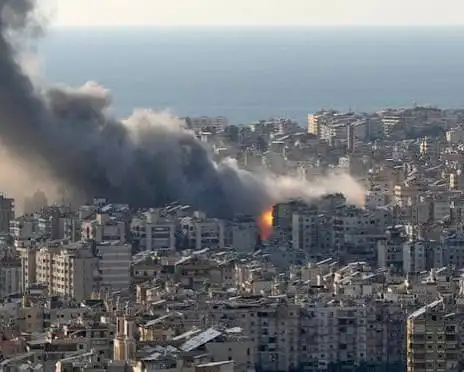
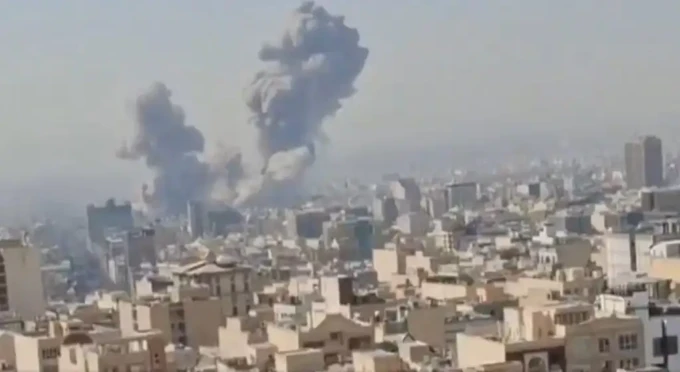
Iran has intensified its military posture across the Gulf region, launching a new wave of missile and drone operations that signal a continuation of heightened regional tensions. Officials in Tehran described the actions as part of a broader defensive strategy, emphasizing that the measures are intended to project strength and deter perceived threats. The developments come amid an already volatile environment, with multiple actors closely monitoring the situation.
According to regional security analysts, the operations have extended across several strategic zones, including areas near vital maritime routes. Military observers report increased aerial activity and the deployment of advanced systems designed to enhance precision and range. While Iranian authorities have framed the operations as controlled and calculated, neighboring states have responded by elevating their alert levels and reinforcing surveillance capabilities. The evolving situation has prompted renewed concerns about the potential for wider regional implications.
Countries across the Gulf, including United Arab Emirates and Qatar, have reported heightened monitoring of their airspace following the latest developments. Defense officials in these nations have indicated that precautionary measures are being implemented to safeguard infrastructure and civilian areas. Although no widespread disruptions have been officially confirmed, the increased military activity has led to cautious responses from both government authorities and private sector operators.
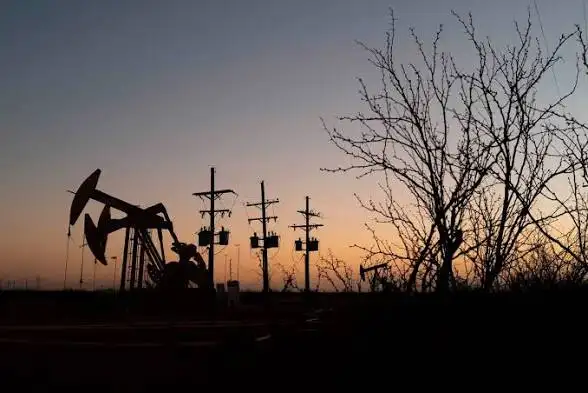
Global stakeholders are also paying close attention, particularly due to the proximity of these operations to key energy corridors such as the Strait of Hormuz. This narrow passage remains a critical route for international oil shipments, and any escalation in military activity nearby raises concerns about supply continuity. Market analysts suggest that even limited disruptions or perceived risks could influence global energy pricing and shipping patterns, underscoring the broader economic stakes involved.
As the situation develops, calls for restraint and dialogue have emerged from international organizations and diplomatic channels. While Iranian officials maintain that their actions are measured, the broader regional response highlights the fragility of the current environment. Observers note that continued military signaling without parallel diplomatic engagement may prolong uncertainty, leaving both regional and global actors navigating an increasingly complex security landscape.







Leave a comment