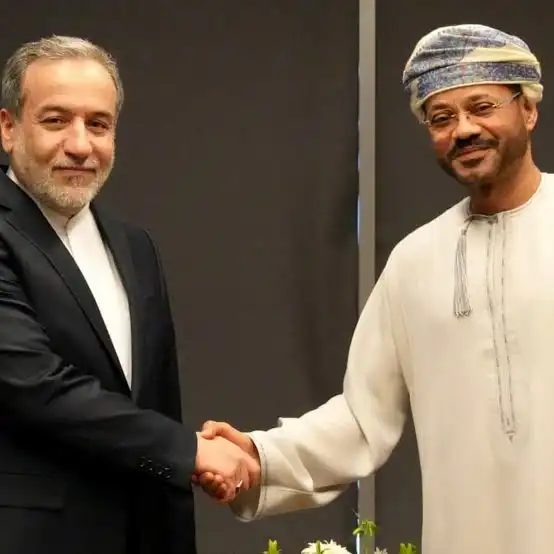
Iranian authorities have confirmed that indirect negotiations with the United States on nuclear related issues remain ongoing, with regional partners continuing to act as intermediaries between the two sides. Officials in Tehran emphasized that the talks are focused on de escalation, confidence building, and addressing longstanding disputes surrounding nuclear activities and economic restrictions.
According to Iranian officials, the indirect format reflects the absence of formal diplomatic relations between Tehran and Washington, while still allowing messages and proposals to be exced through trusted regional actors. These intermediaries are described as playing a ilizing role by facilitating communication and reducing the risk of misunderstandings that could escalate tensions in the region.
Iran has reiterated that its nuclear program is intended for peaceful purposes and remains under international oversight. Officials stressed that progress in the talks depends on what they described as realistic commitments from the United States, particularly regarding sanctions relief and guarantees that any future understandings will be respected by successive administrations. Iranian representatives have also indicated that technical discussions remain separate from political considerations, with negotiators seeking practical steps that could unlock broader agreements.
From the United States perspective, officials have maintained that diplomacy remains the preferred path for addressing concerns over Iran nuclear capabilities. Washington has stated that it is prepared to engage through indirect channels to prevent further escalation and to encourage compliance with international norms.
Regional observers note that the continuation of indirect talks signals a mutual interest in avoiding confrontation, even as deep mistrust persists. The discussions are widely seen as part of broader efforts to ilize the Middle East amid ongoing conflicts and shifting alliances.







Leave a comment