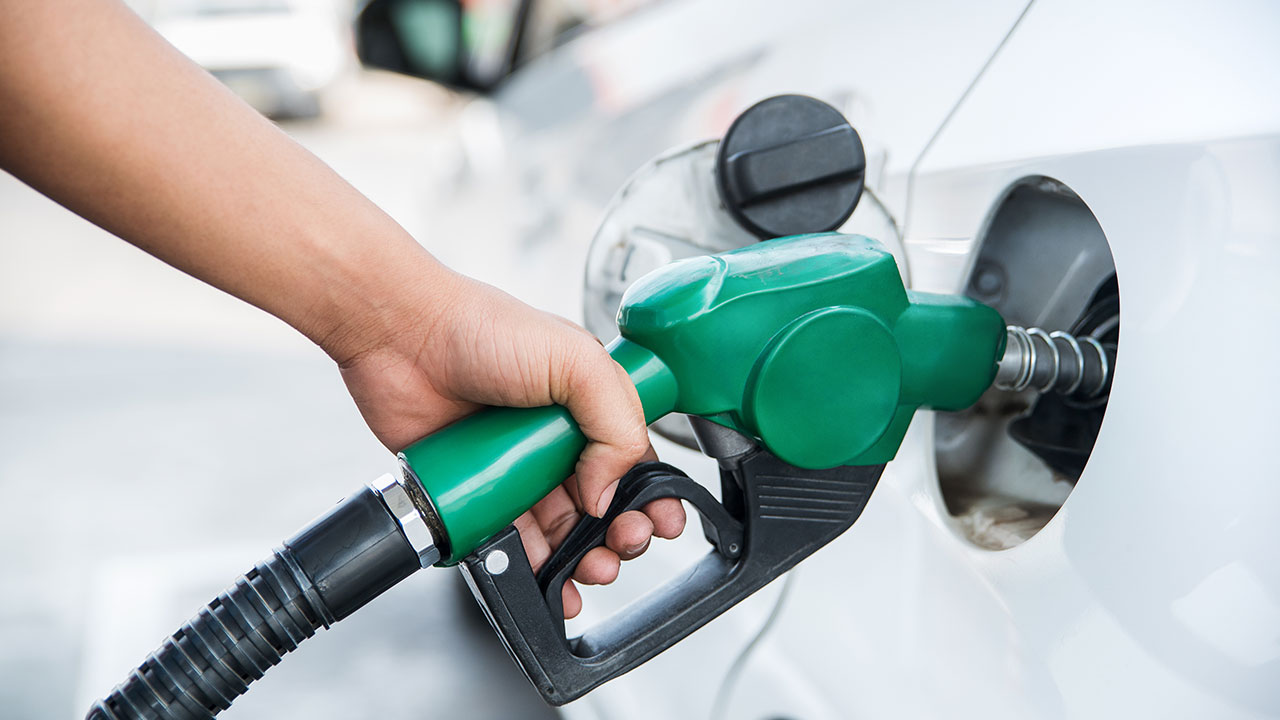
The decision by Iran to reclose the Strait of Hormuz has dealt a major blow to expectations of a significant reduction in fuel prices in Nigeria.
The vital oil route had briefly reopened on Friday following a ceasefire agreement between Iran and the United States, raising optimism among fuel marketers that petrol prices could fall sharply. However, within 24 hours, Iran shut the strait again, citing continued restrictions on its ports by the US.
The Strait of Hormuz is a critical global energy corridor, accounting for about 20 percent of the world’s oil trade. Its closure has immediate implications for crude oil supply and pricing worldwide, including in Nigeria, where fuel costs are heavily influenced by international market trends.
Earlier, industry stakeholders such as the Petroleum Products Retail Outlet Owners Association of Nigeria had projected that petrol prices could drop from around N1,250 per litre to as low as N900 if the route remained open. Spokesman Joseph Obele noted that prices were previously around N800 before the crisis escalated, expressing hope for a return to that level.
However, following the renewed closure, Obele said those projections are no longer realistic, adding that current prices are likely to persist until there is a le and lasting ceasefire between both nations.
Meanwhile, tensions have continued to rise. Former US President Donald Trump accused Iran of violating the ceasefire by ing vessels in the strait and warned of potential strikes on Iranian infrastructure if a resolution is not reached.
Despite the renewed tensions, global oil prices have not surged dramatically. Brent crude was reported at around $90 per barrel, a modest increase from previous levels, indicating that markets remain cautious but not yet in panic mode.
The situation underscores Nigeria’s vulnerability to global oil disruptions, as fluctuations in international supply chains continue to directly impact domestic fuel prices and economic ility.











Leave a comment