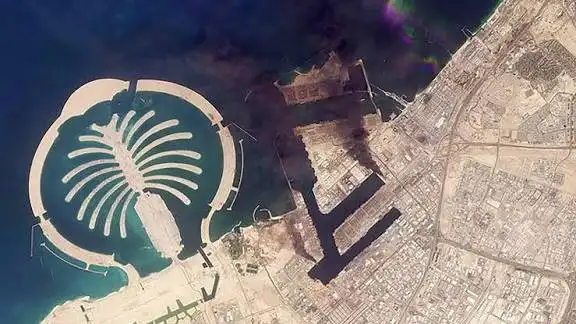
Several Gulf states have increased defensive readiness as concerns grow over the possibility of additional missile launches linked to the expanding regional confrontation. Governments across the Gulf have strengthened monitoring systems and air defense coverage while closely tracking developments connected to the conflict involving Iran, Israel, and the United States. Officials say the steps are designed to ensure the protection of civilian populations and strategic infrastructure as tensions remain high.
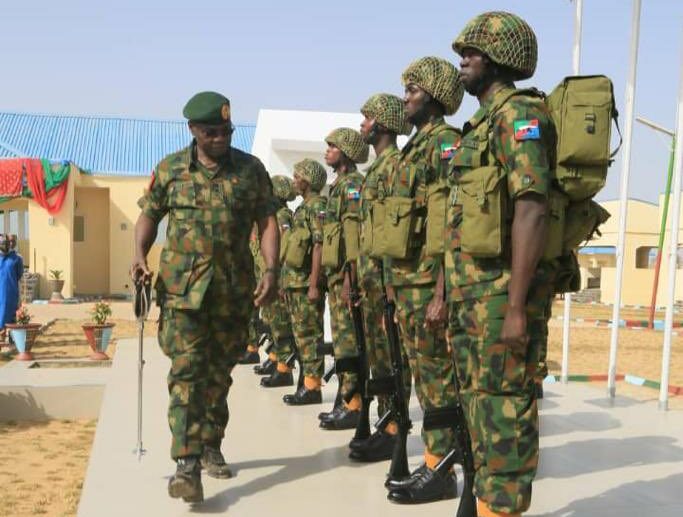
Military authorities in countries including Saudi Arabia, Bahrain, and the United Arab Emirates have placed defense forces on heightened alert while coordinating with regional partners. Air defense networks have been reinforced around major cities, transportation hubs, and energy installations that play a vital role in both national and global economic systems. Security analysts say these preparations reflect the importance of maintaining ility in a region that sits at the center of global energy supply routes.
Regional cooperation has also expanded as Gulf governments share intelligence and surveillance information to track potential threats. Defense planners are reviewing contingency strategies that would allow rapid responses if additional missiles or aerial systems approach their territory. Officials say the coordinated approach helps strengthen regional security while reassuring the public that precautionary measures are in place.
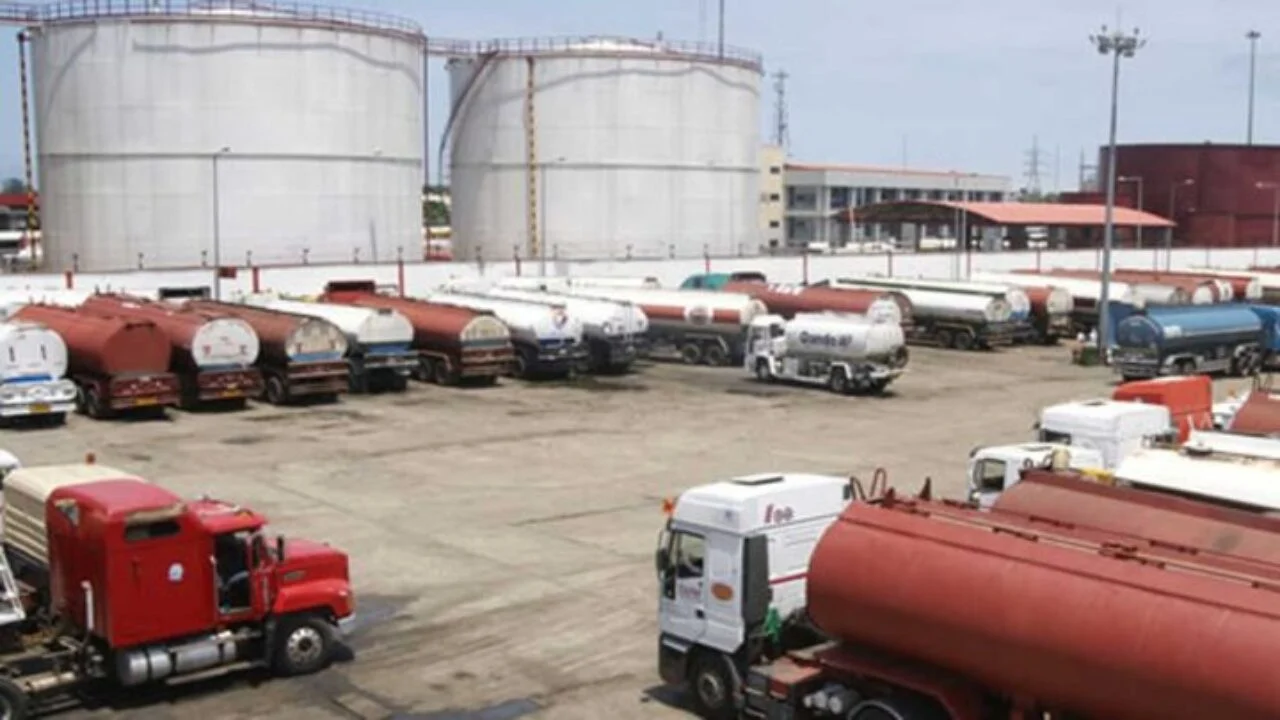
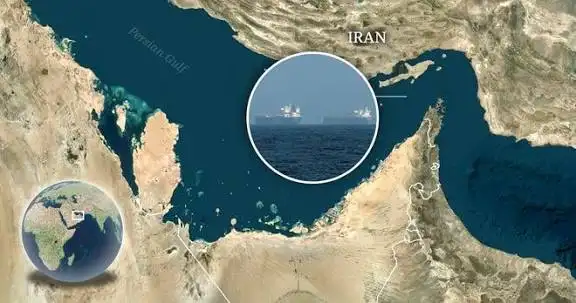
The heightened readiness comes at a time when international markets are closely watching the situation across the Middle East. Any disruption to ility in the Gulf has the potential to affect global trade and energy supply, particularly because many of the world’s most important oil export facilities are located in the region. Analysts note that defensive preparations are intended not only to protect national interests but also to safeguard the broader international economy.
Global leaders have continued to encourage diplomatic engagement aimed at preventing further escalation across the region. Many governments emphasize the need for restraint while supporting efforts that maintain open communication between countries involved in the crisis. As the conflict continues to evolve, Gulf states remain focused on defensive preparedness while monitoring developments that could influence the security landscape in the Middle East.









Leave a comment