
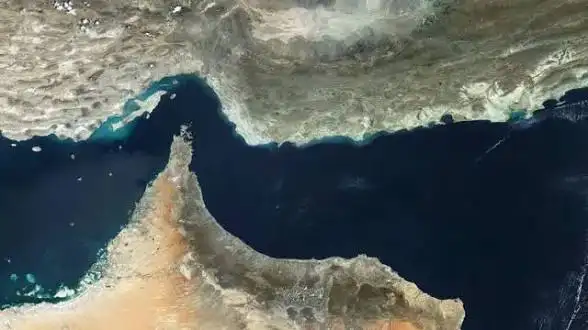
Gulf nations are confronting increasing financial strain as threats to energy infrastructure intensify amid ongoing regional tensions. Economies heavily dependent on oil and gas exports are experiencing heightened uncertainty, with government officials monitoring developments closely. Analysts warn that prolonged disruption risks could weaken fiscal ility, complicate budget planning, and challenge long term economic diversification efforts across the region.
Countries including Saudi Arabia and United Arab Emirates have invested heavily in securing critical infrastructure, yet concerns persist about vulnerabilities in key production and transport facilities. Energy installations, pipelines, and export terminals remain central to national revenue streams, making them strategic priorities as governments assess risks and allocate resources for protection and contingency planning.
Financial markets within the Gulf have reacted cautiously, with investors weighing the potential impact of sustained inility on growth prospects. Sovereign wealth funds, which play a significant role in regional economies, are being closely watched for their response strategies. Experts suggest that asset diversification and liquidity management will be critical in navigating the uncertain environment and maintaining investor confidence.
Regional cooperation has become increasingly important as governments explore joint measures to safeguard economic interests. Discussions have included coordinated security initiatives and shared financial strategies aimed at mitigating risk exposure. Observers note that collaboration could strengthen resilience, though differences in national priorities may pose challenges to unified action during a rapidly evolving situation.
Energy exports remain the backbone of Gulf economies, and any sustained disruption could have cascading effects on public spending and development projects. Infrastructure expansion plans may face delays as authorities reassess timelines and funding allocations. Analysts highlight that balancing immediate security concerns with long term economic objectives will require careful policy coordination and strategic decision making.
International partners have expressed concern about the potential consequences for global energy markets, given the region’s central role in supply. Organizations such as the Organization of the Petroleum Exporting Countries are closely monitoring developments, with member states evaluating production strategies and market responses to maintain equilibrium under challenging conditions.
As uncertainty continues, Gulf nations are expected to adapt their financial and policy approaches to address emerging risks. While resilience remains a key theme in official messaging, experts caution that sustained pressure on infrastructure and revenues could test economic frameworks. The coming period will likely shape fiscal priorities and regional cooperation efforts in significant and lasting ways.







Leave a comment