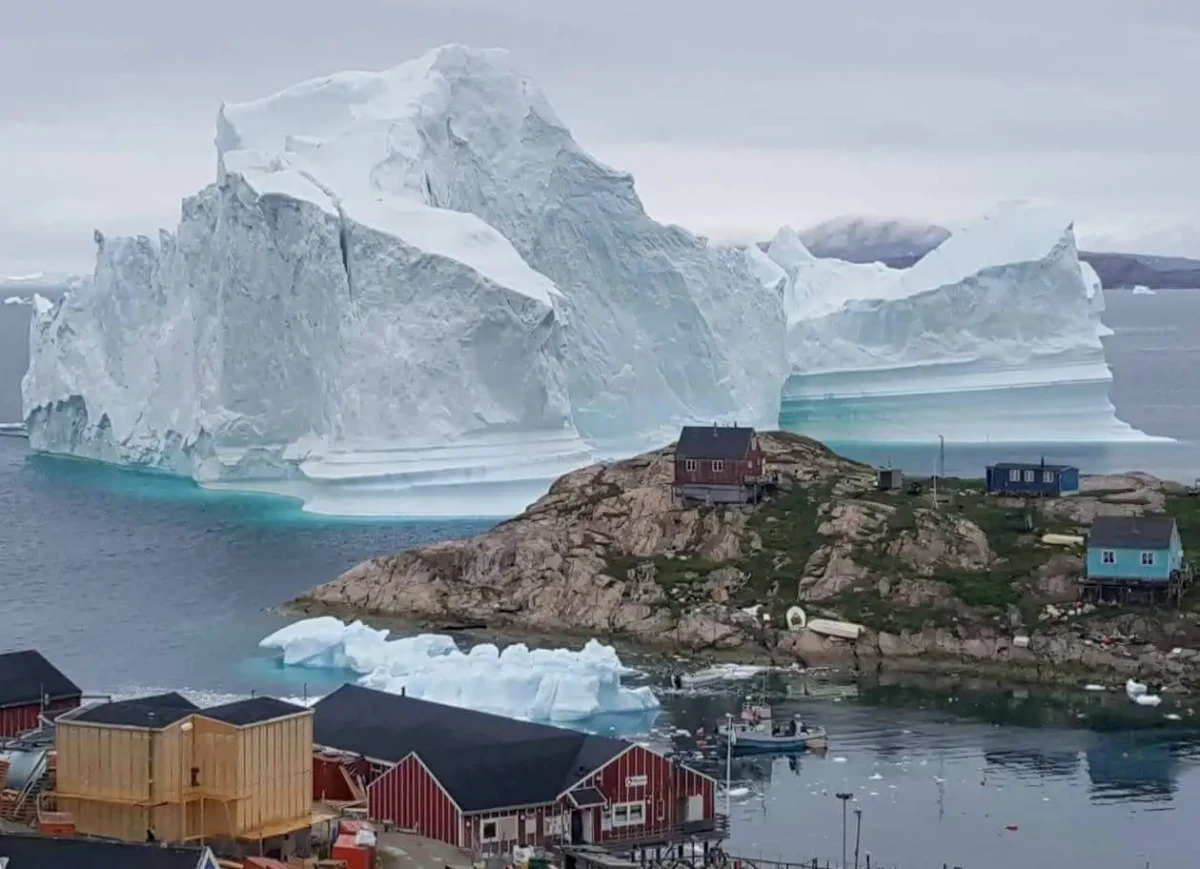
The Kremlin has little reason to hide its interest in the rising tensions between the United States and its European allies over Greenland. The spectacle of Washington pressuring Denmark to hand over the Arctic island touches a long standing Russian ambition that has remained out of reach for decades. A fractured Atlantic community and a weakened NATO would represent a strategic windfall for Moscow.
President Donald Trump’s demand that Denmark cede Greenland to the United States sent shockwaves through Europe. Although his subsequent understanding with NATO Secretary General Mark Rutte on a framework to manage the dispute has eased immediate pressure, the damage has not been undone. Across European capitals, questions about the reliability of the American commitment to the continent’s defense are growing louder and more persistent.
From Moscow’s perspective, this uncertainty is useful. Any doubt cast on NATO unity or American leadership aligns neatly with Russian strategic goals. Yet the Kremlin response has been notably restrained. President Vladimir Putin has avoided sharp rhetoric, signaling caution rather than celebration. This restraint reflects an awareness that Trump’s second term foreign policy has proven more assertive and less predictable than many in Moscow anticipated.
Putin has not secured the swift and Russia friendly settlement to the war in Ukraine that some in the Kremlin expected. Instead, negotiations have dragged on, with European actors playing a more prominent role than Moscow would prefer. At the same time, Washington has taken steps that undercut Russian influence in regions such as the Middle East and Venezuela, complicating hopes of a rapid geopolitical reset.
Still, the Kremlin appears unwilling to abandon the belief that a broader thaw with Washington remains possible. Trump is viewed in Moscow as preferable to any plausible alternative in the White House, particularly on Ukraine, which remains Putin’s overriding priority. The expectation was that Trump might broker a deal and press Kyiv to accept it, thereby ending the conflict on terms favorable to Russia. That outcome has not materialized.
Russian officials also anticipated a quicker normalization of bilateral relations. They envisioned reduced sanctions, renewed American investment in critical sectors of the Russian economy, and a symbolic acknowledgment of Russia’s status as a major global power. So far, these expectations have gone unmet, leaving the Kremlin facing a more complicated reality.
For Putin, managing Trump has become a delicate test. The American president’s willingness to challenge allies unsettles Europe and creates openings for Russia, but it also introduces volatility that Moscow cannot fully control. The Greenland episode captures this tension perfectly. It exposes cracks within the Western alliance while reminding the Kremlin that Trump’s actions do not always translate into clear gains for Russia.
As debates continue in Europe about security and sovereignty, and as Moscow weighs its next moves, one thing is clear. The strains revealed by the Greenland dispute are not temporary. They reflect deeper uncertainties about leadership, trust, and the future shape of the transatlantic relationship, uncertainties that Russia will continue to watch closely and, where possible, quietly exploit.










Is it just me, or does anyone else find the whole Greenland tension situation oddly intriguing? What do you think?
Do you think Russia is playing a strategic game in Greenland? Or is it just a coincidence? Lets discuss!
Do you think Greenlands strategic importance will reshape international relations? Im curious about the implications. Lets discuss! 🌍🤔
Do you think Greenland tensions could lead to unexpected alliances or escalations? The dynamics are getting interesting! #geopolitics
Do you think Greenland tensions could lead to a new Cold War? NATO vs Russia – whats your take? 🤔 #geopolitics #debate