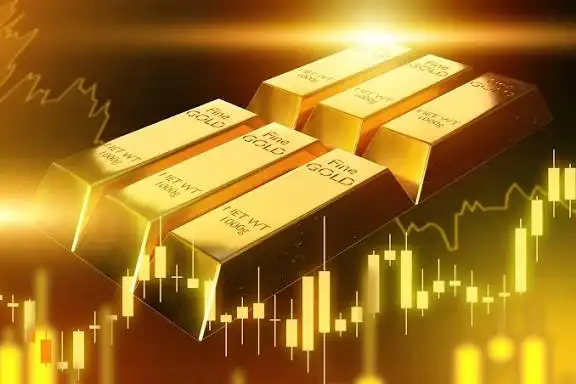
Gold prices surged beyond $5,000 per ounce on Monday, marking an unprecedented milestone amid rising geopolitical tensions, global monetary policy uncertainty, and renewed demand for safe-haven assets. The historic rally carries major implications for gold-producing countries in Africa, where bullion remains a key export and source of foreign exce.
Africa’s gold sector has long shaped the continent’s economic and political landscape, from the wealth of ancient West African empires to modern industrial mining operations feeding global markets. Today, gold exports generate billions of dollars annually, underpin national currencies, and bolster foreign reserves in several African nations.
According to World Gold Council 2024 data, Africa’s largest gold producers by output are:
Ghana — 140.0 tonnes: Africa’s top producer, formerly the Gold Coast, gold accounts for roughly 40 percent of total exports. Industrial and artisanal mining sectors combine to support the economy and strengthen the cedi.
Mali — 100.0 tonnes: Gold remains Mali’s most important export. The government’s 2023 mining code aims to increase state revenues from foreign-owned operations amid rising prices.
South Africa — 98.1 tonnes: Once the world’s largest producer, output has declined from 600 tonnes in the 1990s. South African mines remain among the deepest globally and have historically driven economic growth in Johannesburg.
Burkina Faso — 94.4 tonnes: Gold is now central to the country’s export economy, though production faces security risks, political inility, and illegal mining challenges.
Sudan — 73.8 tonnes: Gold has replaced lost oil revenues as Sudan’s main foreign exce source, with much of the output from artisanal miners.
The surge in prices is expected to generate windfall gains, reinforcing gold’s role as a macroeconomic iliser and offering opportunities for governments to strengthen reserves, improve investment climates, and support local economies.









Is this gold rush a sign of economic prosperity or a bubble waiting to burst? Share your thoughts!
Is this the start of a new gold rush? Africas top producers benefiting, but what about the environmental impact? Lets discuss!
Wow, the gold price is skyrocketing! Do you think this will have a positive impact on Africas economy or cause more exploitation?
I cant believe gold prices are soaring so high! Will this trend continue, or is it just a temporary boost? Thoughts?
Wow, can you imagine if we all invested in gold when it was cheaper? Missed opportunity or still time to jump in?