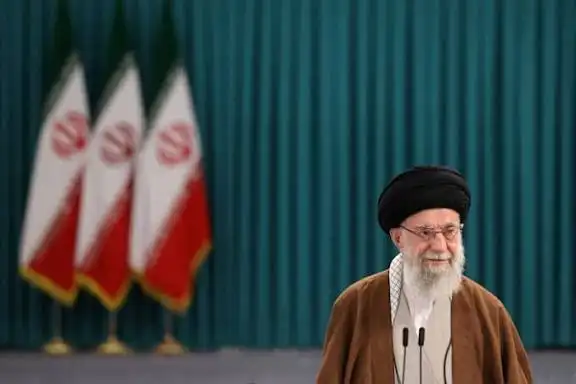
The Middle East faces a moment of extraordinary volatility after Iranian state media reported that Supreme Leader Ayatollah Ali Khamenei was ed in coordinated strikes carried out by the United States and Israel. The announcement, which has not been independently verified, represents a dramatic turning point in the long running confrontation between Tehran and its adversaries and raises urgent questions about succession, ility and the risk of wider war.
Iranian authorities declared forty days of national mourning and vowed a decisive response. Senior commanders described the strikes as a direct assault on the sovereignty of the Islamic Republic and warned that retaliation would be swift and far reaching. Within hours of the announcement, the Israeli military confirmed that it had launched another wave of operations against targets inside Iran, stating that the actions were aimed at degrading military infrastructure and preventing further escalation.
The security situation deteriorated rapidly across the Gulf. Explosions were reported for a second consecutive day over Dubai, Doha and Manama as Iranian missile and drone fire targeted what officials described as United States assets and strategic installations in the region. Air defense systems were activated in multiple cities, and residents were advised to seek shelter as warning sirens sounded. In Dubai, witnesses reported loud blasts in the night sky as projectiles were intercepted overhead, prompting authorities to issue safety guidance and temporary restrictions in sensitive zones.
Tehran declared that all United States military bases in the region could now be considered legitimate targets, a statement that significantly widened the scope of potential confrontation. In Washington, President Donald Trump warned that further escalation would carry serious consequences and reiterated that American forces were prepared to respond to protect personnel and partners. The remarks deepened diplomatic tensions, as lawmakers and international observers debated the legal and strategic implications of the military action.
Regional governments moved quickly to assess their security posture amid concerns that the conflict could spill beyond immediate flashpoints. Analysts noted that the reported death of Iran’s highest authority could reshape internal power structures within Tehran, potentially altering both domestic governance and foreign policy calculations. At the same time, the pace of retaliatory exces underscored how rapidly the crisis had moved from targeted strikes to a broader contest involving multiple states and strategic corridors.
As uncertainty grows, global leaders are urging restraint while monitoring developments closely. The coming days are expected to be critical in determining whether the confrontation remains contained or evolves into a wider regional conflict with far reaching geopolitical consequences.









Leave a comment