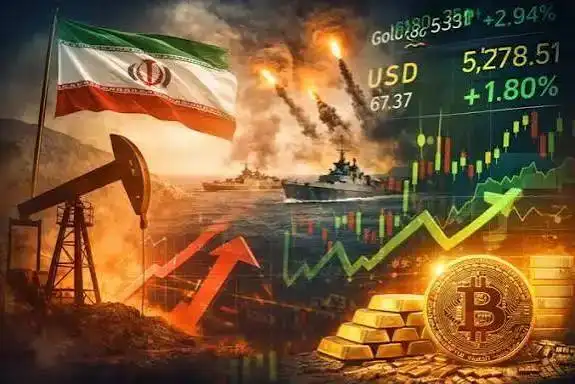
Global financial markets are exhibiting heightened sensitivity as geopolitical tensions continue to influence investor sentiment and economic outlooks. Traders across major exces are responding to shifting developments with caution, leading to fluctuations in equities, commodities, and currency values. Analysts note that uncertainty surrounding ongoing conflicts is shaping short term strategies and amplifying volatility across interconnected financial systems worldwide today.
Energy markets remain at the center of market reactions, with oil and gas prices reflecting concerns over potential supply disruptions. Even minor developments in key producing regions can trigger immediate price movements. Investors are closely monitoring production signals and transportation risks, recognizing that energy costs have a direct impact on inflation trends and industrial activity in major economies globally.
Equity markets have shown mixed performance as sectors react differently to evolving conditions. Defense related industries and energy firms have seen increased interest, while sectors dependent on le trade conditions are facing pressure. Portfolio managers are adjusting allocations to hedge against risks, emphasizing diversification and liquidity as key strategies during periods of heightened geopolitical uncertainty and market fluctuation.
Currency markets are also experiencing notable shifts, with safe haven assets gaining traction amid investor caution. Movements in exce rates are reflecting broader concerns about economic ility and trade continuity. Central banks are being closely watched for potential policy responses, as monetary authorities balance inflation control with the need to support economic growth under uncertain global conditions.
In emerging markets, the impact of global tensions is particularly pronounced due to reliance on external trade and capital flows. Currency volatility and rising import costs are presenting challenges for policymakers. Governments are exploring measures to ilize domestic economies, including adjustments to fiscal policies and efforts to secure alternative trade partnerships in response to shifting global dynamics.
Financial institutions are emphasizing risk management as a central priority in navigating current conditions. Stress testing, scenario planning, and enhanced monitoring of global developments are becoming increasingly important tools. Experts highlight the interconnected nature of modern financial systems, where shocks in one region can quickly transmit to others, amplifying the overall impact on markets and economic ility worldwide.
As geopolitical developments continue to unfold, the outlook for global markets remains closely tied to the trajectory of ongoing conflicts. Investors and policymakers alike are maintaining a cautious stance, prepared to respond to rapid ces in sentiment and conditions. The evolving environment underscores the importance of resilience and adaptability in managing financial systems during periods of sustained uncertainty and risk.










Leave a comment