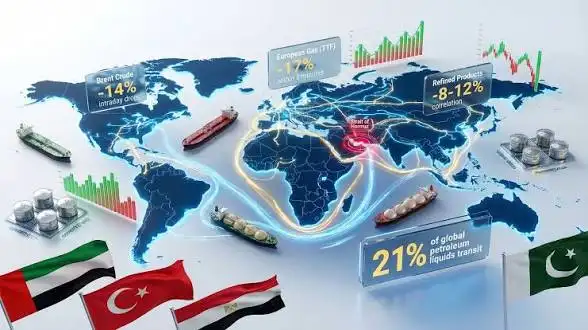
Global energy supply chains are experiencing heightened strain as tensions across the Middle East continue to intensify. Key production regions and transit routes have become focal points of concern for governments and markets alike. Analysts warn that even limited disruptions could ripple across international systems, influencing fuel availability, pricing trends, and broader economic conditions in multiple regions worldwide today.
Major oil producing nations in the Gulf region remain central to global supply, making the situation particularly sensitive for energy dependent economies. Any interruption in output or transport capacity carries the potential to shift market balances rapidly. Observers note that precautionary measures by producers and shipping firms have already begun altering elished logistics patterns in anticipation of further developments.
Shipping lanes that serve as critical arteries for energy transport are under c scrutiny, especially those linking Middle Eastern exports to Asia and Europe. Maritime operators are adjusting routes, increasing insurance coverage, and implementing additional safety protocols. These ces, while necessary, are contributing to higher transportation costs and extended delivery timelines for crude oil and liquefied natural gas shipments.
Energy markets have responded with noticeable volatility as traders react to geopolitical signals and evolving risk assessments. Price fluctuations reflect uncertainty regarding both short term supply conditions and long term production ility. Financial institutions are closely monitoring developments, emphasizing the interconnected nature of global energy systems and the potential for spillover effects into broader economic sectors.
Governments in major consuming countries are evaluating contingency strategies to mitigate possible shortages. Strategic reserves, alternative sourcing arrangements, and diplomatic engagement with key suppliers are being prioritized. Policymakers aim to balance immediate energy security concerns with long term sustainability goals, particularly as the situation introduces new complexities into existing energy transition frameworks and climate commitments.
Industry experts highlight that infrastructure resilience will play a crucial role in maintaining supply continuity. Pipelines, storage facilities, and export terminals must remain operational despite heightened regional risks. Investment in protective measures and rapid response capabilities is increasingly viewed as essential to safeguarding energy flows and minimizing disruptions under uncertain geopolitical conditions affecting critical networks globally today.
As developments continue, the outlook for global energy supply chains remains closely tied to the trajectory of the Middle East situation. Market participants, governments, and industry leaders are maintaining a cautious stance while preparing for multiple scenarios. The evolving landscape underscores the importance of coordination and adaptability in managing one of the world’s most vital economic systems.












Leave a comment