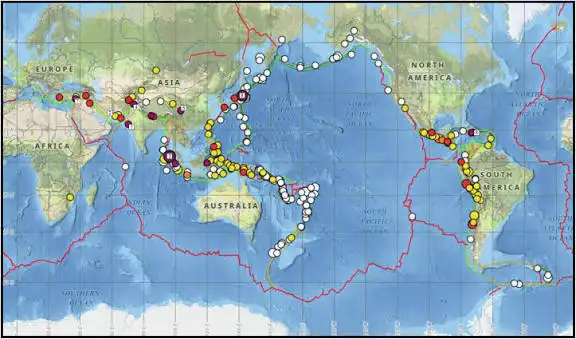
Seismological agencies have reported a moderation in global earthquake activity, although dozens of notable seismic events have still been recorded across various regions. Scientists indicated that while the frequency of large magnitude earthquakes has declined compared to recent periods, ongoing tectonic movement continues to generate measurable shocks.
Monitoring centers across Asia, the Pacific, and parts of the Americas confirmed that most of the recent earthquakes occurred at moderate depths, limiting surface damage in many cases. However, authorities in several countries maintained heightened vigilance due to the unpredictable nature of seismic activity.
Experts emphasized that periods of reduced activity do not signal a long term decline in earthquake risk. Instead, they stressed the importance of preparedness, early warning systems, and resilient infrastructure. Public awareness campaigns in earthquake prone regions remain a key focus for disaster management agencies.
International cooperation among scientific institutions has played a critical role in data sharing and analysis. Advances in seismic monitoring technology have improved the ability to detect and assess earthquakes in real time, supporting faster response and risk assessment.
While no widespread devastation has been reported, humanitarian organizations continue to monitor vulnerable regions where even moderate earthquakes can have serious consequences. The latest assessments underscore the need for sustained investment in disaster preparedness and risk reduction worldwide.













Leave a comment