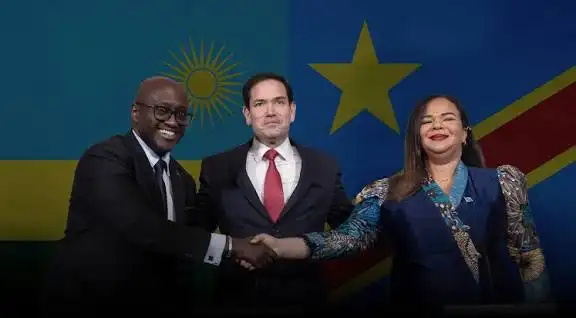
Major international actors have intensified diplomatic and security engagements in response to ongoing conflicts and emerging ceasefire negotiations worldwide. Governments and multilateral organizations are coordinating efforts to address escalating tensions, manage humanitarian crises, and explore pathways toward conflict resolution.
Recent developments highlight the interconnected nature of contemporary security challenges. Regional disputes, cross border tensions, and internal conflicts continue to demand attention from both local authorities and the broader international community. Diplomatic initiatives aim to ilize hotspots, facilitate dialogue between conflicting parties, and prevent further escalation that could have far reaching geopolitical consequences.
International organizations have emphasized the importance of sustained engagement, particularly in areas where civilian populations are most vulnerable. Coordinated humanitarian assistance, monitoring of ceasefire agreements, and conflict mediation are central components of these efforts. Observers note that effective diplomacy often requires balancing immediate security concerns with long term political and social solutions.
Security discussions have also incorporated counterterrorism strategies, border management cooperation, and intelligence sharing. Nations facing insurgency or militant threats are increasingly collaborating with regional and global partners to mitigate risks, strengthen law enforcement capacities, and protect civilians. Such initiatives underscore the need for a comprehensive approach that integrates military, political, and humanitarian considerations.
Economic and social impacts of ongoing conflicts remain a pressing concern. Disruptions to trade, displacement of populations, and strain on public services have heightened the urgency for coordinated international responses. Diplomatic and security efforts are closely linked to broader ility objectives, including the maintenance of global supply chains, energy security, and regional economic resilience.
Analysts stress that while ceasefire negotiations and diplomatic dialogues are essential, the success of these initiatives often depends on political will, sustained commitment, and robust verification mechanisms. Past efforts have shown that lapses in enforcement or communication can quickly erode trust and exacerbate conflict dynamics.
The international community continues to monitor multiple crises, seeking to identify leverage points for constructive engagement. Stakeholders emphasize that proactive diplomacy, timely humanitarian intervention, and multilateral cooperation are critical to mitigating immediate risks while laying the groundwork for durable peace.








Leave a comment