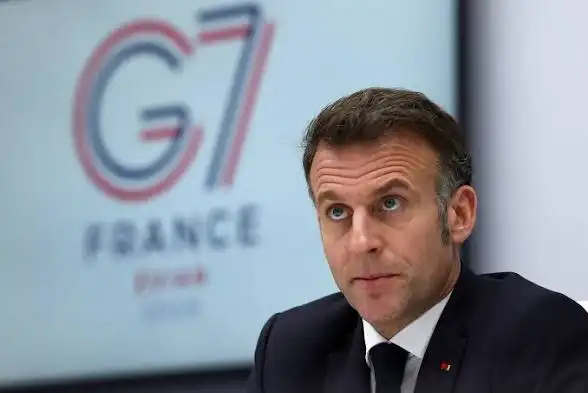
Leaders of the Group of Seven are holding consultations to assess the economic consequences of the expanding conflict across the Middle East. The discussions involve senior officials from the United States, Canada, United Kingdom, France, Germany, Italy, and Japan as governments attempt to evaluate potential risks to global markets. The consultations reflect growing concern that continued fighting in the region could influence energy supplies, international trade flows, and financial ility across several major economies.
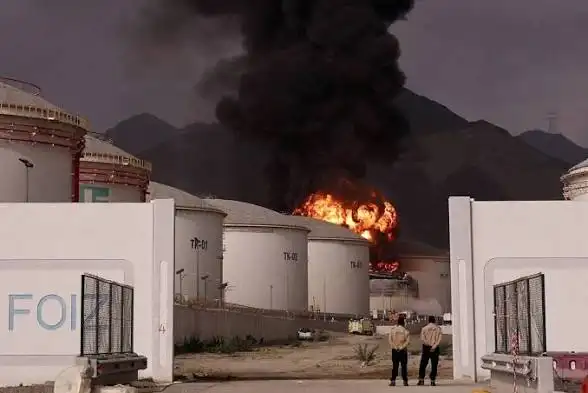
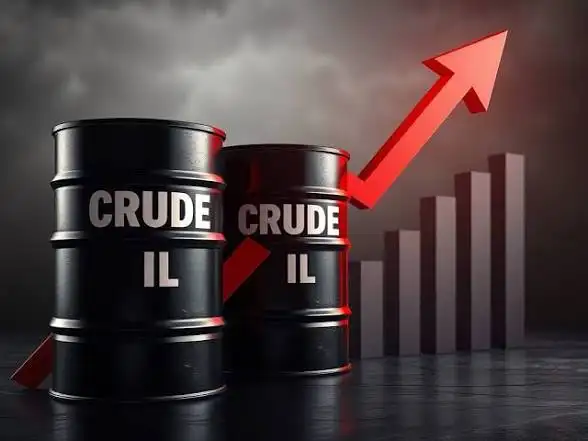
Officials participating in the talks say the primary focus is on the possible impact of disruptions to energy transport routes that serve global markets. The Middle East remains a key supplier of oil and natural gas to countries across Europe, Asia, and North America. Analysts advising the participating governments have warned that any sustained disruption to energy exports could place upward pressure on fuel prices and complicate economic planning for the year ahead.
Finance ministers and economic advisers within the G7 are also examining how market uncertainty may affect investor confidence. Periods of geopolitical tension often lead to volatility in global financial systems as traders respond to shifting risks in supply chains and trade networks. Policy experts say coordinated communication between major economies can help limit uncertainty by reassuring markets that governments are prepared to respond if economic conditions ce.
Another subject under review during the consultations is the resilience of international supply systems. Modern economies depend heavily on global shipping networks that transport energy resources, manufactured goods, and essential commodities between regions. If maritime routes near the Persian Gulf become more difficult to navigate, industries in many countries could experience slower deliveries or higher transport costs. Governments within the G7 say maintaining open sea lanes remains a priority for global economic ility.
Officials involved in the discussions emphasize that the consultations are part of ongoing efforts to coordinate policy responses among the world largest advanced economies. While the situation in the Middle East continues to evolve, G7 leaders say maintaining dialogue between governments is essential for preparing economic strategies that protect growth and financial ility. The group plans to continue monitoring developments closely while working together to limit potential disruptions to the international economic system.








Leave a comment