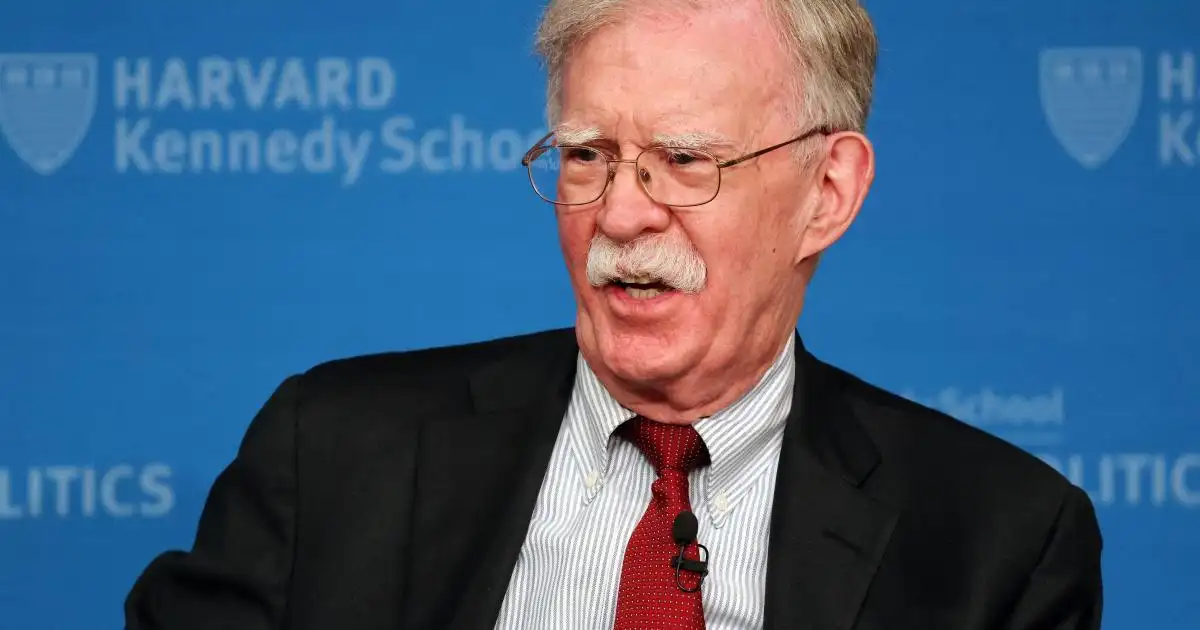
Former National Security Adviser John Bolton has been indicted on 18 counts related to the unauthorized retention and transmission of national defense information, as determined by a federal grand jury in Maryland. The charges include eight counts of unlawful transmission and ten counts of unlawful retention of classified materials, all violating the Espionage Act. Bolton, 76, allegedly used personal emails and messaging applications to share classified documents with unauthorized individuals, including family members. Some of these documents were marked top secret and contained sensitive U.S. intelligence and insights into foreign adversary plans. The indictment further alleges Bolton retained classified information at his residence and office, encompassing intelligence on foreign leaders and the odologies for obtaining sensitive information.
The investigation into Bolton began in 2022, before Donald Trump’s second term, culminating in FBI searches of Bolton’s Maryland home and Washington, D.C., office in August 2025, where documents labeled “secret,” “confidential,” and classified were seized. Bolton has denied any wrongdoing, with his attorney asserting that the charges relate to unclassified portions of Bolton’s personal diaries shared with his family, records previously known to the FBI.
This indictment has ignited political controversy; Bolton has compared the administration’s actions to those of Stalin’s secret police and accused Trump of politicizing the Department of Justice. Trump responded dismissively, labeling Bolton as “a bad guy.” If convicted, Bolton faces up to 10 years in prison for each count. The case highlights ongoing legal issues among former Trump officials and underscores the challenges of handling classified information in a politically charged environment.












Do you think Bolton should be held accountable or is this just a political move? Curious to hear different perspectives on this.
Wow, can you believe the drama with Bolton? Wonder what kind of classified info he was sharing… juicy stuff!
Do you think Boltons alleged actions were a breach of trust or a necessary step for transparency? Lets discuss!
Can we trust national security advisors if theyre charged with improper handling of classified information? Serious implications!
Wow, can you believe the drama with Bolton? Wonder if this will impact his reputation in the long run.
Can you believe this? Bolton charged with 18 counts! What a wild ride in politics. Wonder whats next? Opinions?
Wow, can you believe the audacity of Bolton? Should he be held accountable or is this just political theatrics? What do you think?