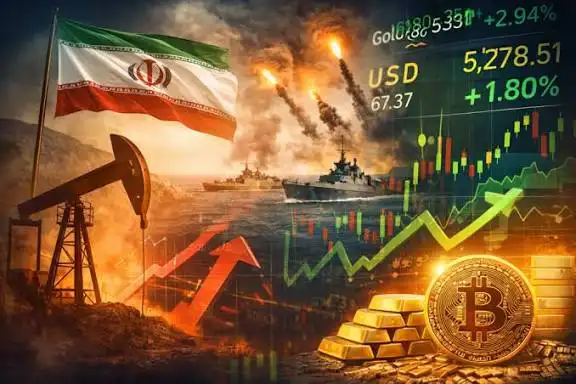
Financial markets around the world are reacting with caution as rising geopolitical tensions in the Gulf region introduce new uncertainty into the global economic outlook. Investors are closely monitoring developments as conflict related risks threaten to affect energy supplies, international trade routes, and overall market ility. While markets have not experienced a broad panic, analysts say traders are increasingly sensitive to news from the region and are adjusting their positions accordingly.
Equity markets in major financial centers have shown mixed performance as investors attempt to balance geopolitical concerns with underlying economic conditions. Some sectors have experienced heightened volatility, particularly industries tied to energy, transportation, and global supply chains. Companies that depend heavily on le oil prices or uninterrupted shipping routes have seen fluctuations in their stock valuations as traders evaluate potential disruptions.
Energy related stocks have drawn particular attention during the current period of uncertainty. Rising oil prices often benefit producers and exploration companies, but the broader market impact can be complex. Higher energy costs can also increase expenses for manufacturers, airlines, and transportation firms. As a result, investors are carefully assessing which sectors may benefit from rising commodity prices and which may face additional pressure if energy costs continue to climb.
Currency markets are also reflecting a cautious mood among global investors. Some traditional safe haven currencies have experienced modest gains as traders seek ility during periods of geopolitical tension. Meanwhile, currencies in emerging markets have shown mixed movements depending on their exposure to energy imports, trade routes, and broader economic vulnerabilities.
Bond markets have similarly attracted attention from investors seeking lower risk assets. Government bonds issued by le economies often become more appealing when geopolitical uncertainty increases. Analysts note that demand for these securities can rise during periods of tension, as investors shift funds away from riskier assets such as equities or commodities that may be more directly affected by regional inility.
Financial institutions and investment firms are issuing regular briefings to clients outlining potential scenarios that could influence markets in the coming weeks. Some analysts believe that markets may remain relatively le if the conflict does not significantly disrupt energy production or major trade corridors. Others warn that sudden escalation could trigger sharper market reactions, particularly if oil infrastructure or shipping routes become direct targets.
Central banks and government economic agencies are also watching developments carefully. Policymakers recognize that prolonged geopolitical tension can influence inflation, trade patterns, and overall economic confidence. Maintaining ility in financial systems becomes especially important when external shocks threaten to ripple across global markets.
Despite the cautious tone, many investors are attempting to avoid overreaction while the full economic impact remains uncertain. Market participants emphasize that geopolitical events can produce rapid swings in sentiment, but long term trends often depend on how quickly diplomatic efforts succeed in reducing tensions.
For now, global financial markets appear to be navigating a delicate balance between vigilance and restraint. Investors remain alert to developments in the Gulf region while continuing to evaluate broader economic indicators that will shape financial conditions in the months ahead.









Leave a comment