

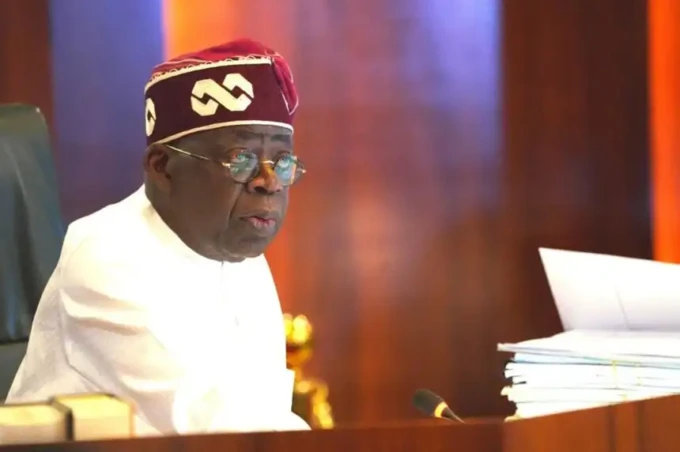
The Minister of State for Petroleum Resources (Oil), Senator Heineken Lokpobiri, has clarified that Nigeria’s local content policy is not designed to bar foreign oil companies from the country’s oil and gas sector. He made the remarks at the pre-conference opening of the 2026 Nigeria International Energy Summit (NIES) in Abuja, themed “Energy for Peace and Prosperity: Securing Our Shared Future.”
Lokpobiri said the Nigerian petroleum industry is large enough to accommodate both indigenous and foreign companies. He emphasized that government policy is focused on building the capacity of local firms to compete effectively with international Engineering, Procurement, and Construction (EPC) companies. The Nigerian Content Act, he noted, has provided financing support to boost the competitiveness of indigenous firms.
“Offshore EPC projects still largely fall within the expertise of international companies, and this has sometimes created monopolistic conditions that limit competition in pricing. Nigeria is large enough for both EPC companies and indigenous firms to collaborate,” Lokpobiri explained.
The Minister added that past implementation of local content often promoted intermediaries rather than genuine capacity development, which contributed to higher project costs compared to other jurisdictions. To address this, the Governing Council on Local Content has engaged key stakeholders to develop solutions that make project costs globally competitive through collaboration between EPC companies, petroleum operators, and strong local firms.
Speaking on gas development, Minister of State for Petroleum Resources (Gas), Hon. Ekperikpe Ekpo, highlighted that gas offers Nigeria and Africa a scalable pathway for industrial growth, job creation, and economic diversification. He stressed that sustaining these opportunities requires local firms to develop ss, technology, financing, and governance capacity to compete at scale.
Ekpo called for a new compact between government, industry, financial institutions, and training bos to embed local capacity development as a core value in project planning and execution.








I disagree! Nigerian Content Policy should prioritize local companies to boost the economy. Foreign companies can still be involved but not at the expense of locals.
Im not convinced. Foreign companies bring valuable expertise and technology. Nigerian content policy should encourage collaboration, not exclusion.
Interesting perspective, but isnt it naive to think foreign companies wont be affected? What do you think?
I dont buy it! Nigerian content policy may not exclude foreign oil companies, but it sure seems like its favoring local ones. What do you think?
I dont buy it! Nigerian content policies should prioritize local companies. Lets support our own first. Thoughts? 🤔
I disagree with the articles stance. Nigerian Content Policy can inadvertently hinder foreign companies, impacting innovation and economic growth.
This is just a PR move to make everyone happy. Foreign companies will still find ways to benefit more.
Im not convinced. Seems like foreign companies might still get the short end of the stick. What do you all think?
Interesting perspective, but isnt it naive to think the Nigerian Content Policy doesnt give local companies an unfair advantage? 🤔