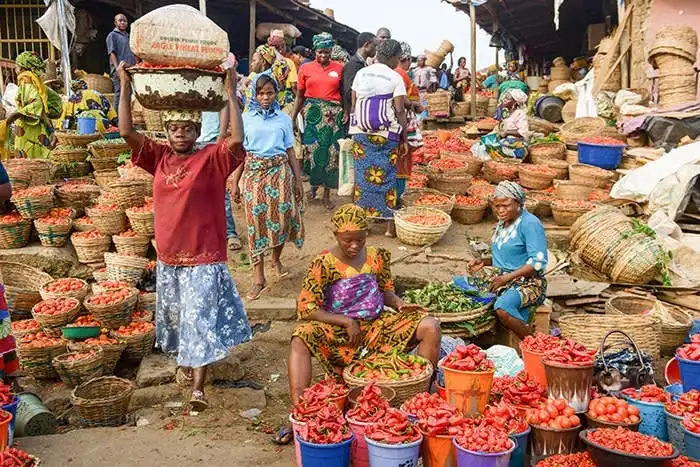
One of the great paradoxes of economics is quietly unfolding in Nigeria and could trigger another food crisis later in the year. In January last year, soaring food prices pushed headline inflation close to 35 per cent. A 50kg bag of rice sold for between N80,000 and N100,000, prompting panic-driven policy responses. Some state governments, including Niger State, considered restricting the movement of food items, while the Federal Government deployed security agencies to curb hoarding and alleged smuggling.
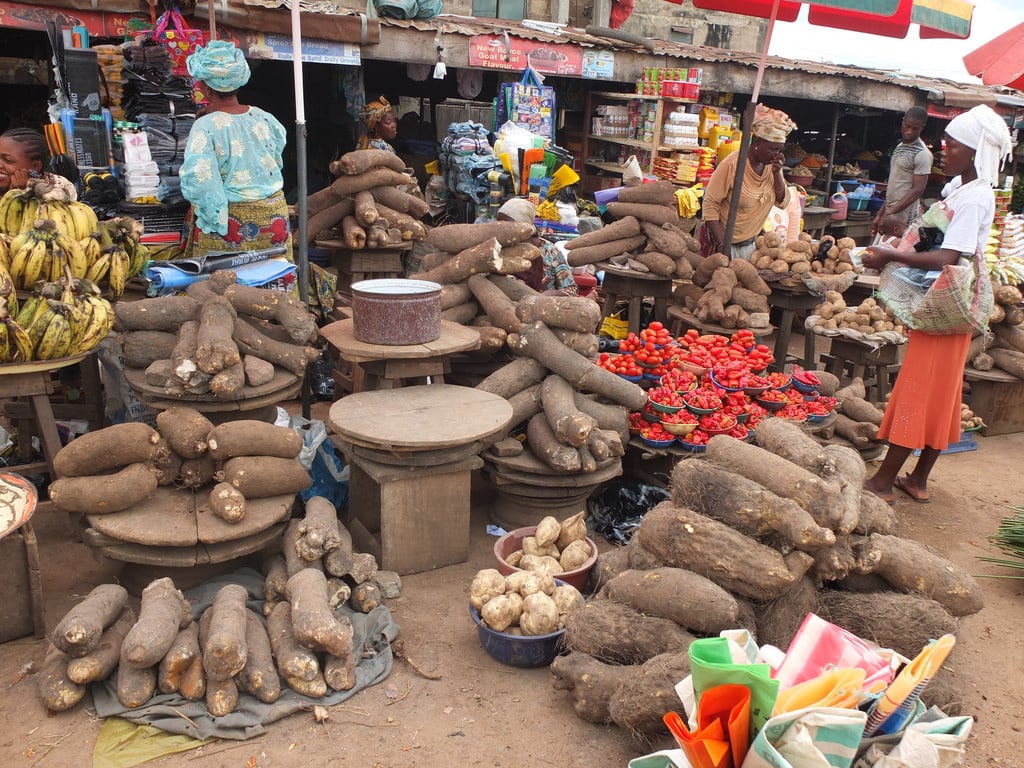
Little attention was paid to poor harvests and low productivity. Yet, basic economics prevailed. High prices encouraged farmers to expand cultivation despite insecurity and rising production costs. Imports also helped boost supply. The result today is a glut in some commodities, notably tomatoes, largely driven by local production rather than imports.
While consumers welcome falling prices, farmers are suffering heavy losses. The scarcity that motivated increased production has disappeared, leaving producers exposed to plunging prices. This is the classic boom-and-bust cycle of agriculture. The danger is clear: discouraged farmers are now reducing planting or reverting to subsistence farming, setting the stage for another round of scarcity and price spikes.
This concern is heightened by a recent UN World Food Programme report warning that over 55 million people across West and Central Africa could face crisis-level hunger during the June–August 2026 lean season. Nigeria, surrounded by highly vulnerable countries, is expected to bear the brunt.
Low prices, worsening insecurity, ransom payments, and declining purchasing power are combining into a dangerous rural poly-crisis. History offers guidance. Past governments invested in food silos to ilize supply and prices. Those reserves must now be urgently restocked and managed. Without proactive intervention, today’s cheap food may be the calm before a far more severe storm.











I think the article overlooks the potential benefits of falling food prices in Nigeria. Maybe its not all doom and gloom?
I think the article has a valid point about the potential food crisis in Nigeria. We need to address this issue urgently.
I disagree! Falling food prices could mean increased accessibility for people in Nigeria. Lets consider both sides before jumping to conclusions.
I dont buy it – falling food prices signaling a crisis? Seems counterintuitive. Maybe its just a temporary dip in the market.
I think the government should take action now before its too late. We cant afford another food crisis!
Hmm, I wonder if these falling food prices are a good thing or a bad thing in the long run. Could it be a sign of a bigger issue?
I disagree, falling food prices could be a good thing, right? Maybe it means more affordable food for everyone.