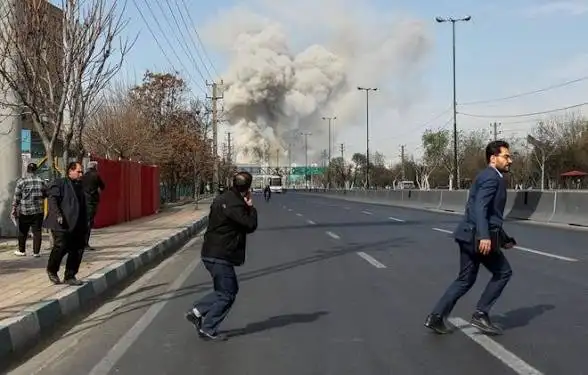
Explosions reported in Tehran during coordinated United States and Israeli strikes have intensified regional tensions and raised concerns among civilians and officials alike. Iranian state media acknowledged multiple blasts across key districts, suggesting that strategic infrastructure may have been targeted as part of an ongoing campaign that has steadily expanded beyond previously affected border areas in recent hours.
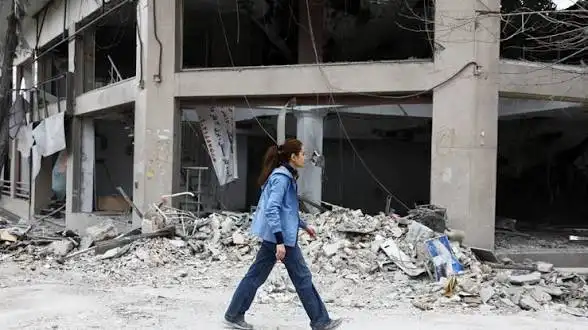
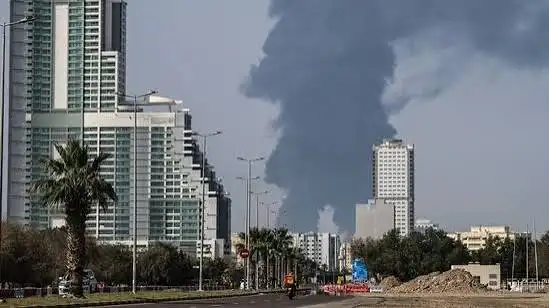
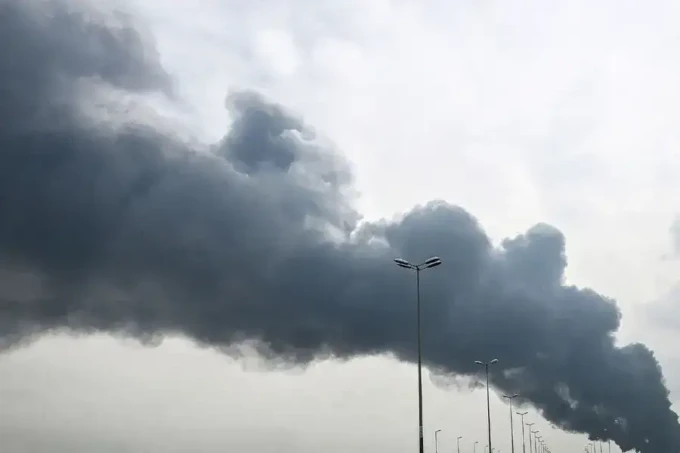
Residents described hearing loud detonations followed by visible plumes of smoke rising over parts of the capital, prompting emergency services to respond swiftly. While authorities have not released full details regarding the scale of damage, early indications point to disruptions affecting transportation routes, communications systems, and several administrative facilities within densely populated neighborhoods of the city at night.
Government representatives stated that investigations are underway to determine the precise locations and intended targets of the strikes, while urging citizens to remain calm and follow safety instructions. Security forces have increased their presence across major intersections and sensitive areas, aiming to prevent panic and maintain order as uncertainty continues to grip the capital and surrounding regions.
Analysts suggest that the strikes reflect a broader escalation in hostilities involving multiple actors, with Tehran now facing direct pressure within its own territory. This development marks a significant shift from previous patterns of confrontation, which had largely remained confined to proxy engagements and limited cross border operations in neighboring regions over an extended period.
International observers have expressed concern about the potential humanitarian implications, particularly as urban areas become increasingly exposed to military activity. Aid organizations warn that continued disruptions could hinder access to essential services, including medical care and electricity, thereby exacerbating challenges already faced by residents coping with economic strain and ongoing regional uncertainty.
Diplomatic responses have begun to emerge, with several countries calling for restraint and renewed dialogue to prevent further escalation. However, prospects for immediate de escalation appear uncertain, as both sides continue to signal readiness to pursue their strategic objectives despite mounting international pressure and growing risks of a wider regional confrontation.
As the situation evolves, attention remains focused on Tehran and the broader geopolitical landscape, where each development carries implications beyond national borders. Observers emphasize that sustained engagement through diplomatic channels will be critical in reducing tensions and preventing further deterioration of security conditions across a region already facing complex and interconnected challenges.






Leave a comment