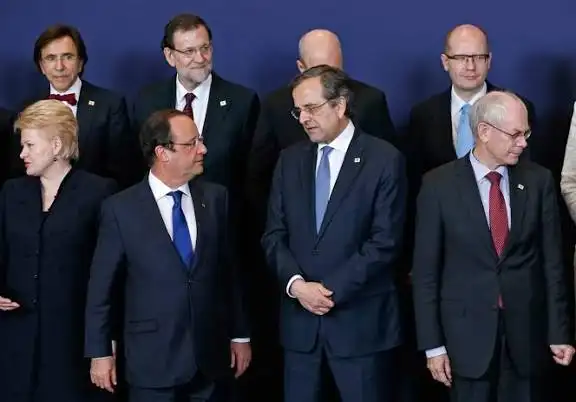
Leaders of the European Union have engaged in intensive discussions over proposals to expand the bloc sanctions framework targeting Russia, citing growing security concerns and the need to maintain pressure in response to ongoing geopolitical developments. The debate reflects differing national priorities among member states, as well as shared anxieties about regional ility and energy security.
Supporters of stronger measures argue that expanding sanctions would reinforce the European Union commitment to international law and deter actions viewed as threatening to European security. They have called for broader restrictions on financial transactions, technology transfers, and strategic industries, while also urging tighter enforcement of existing measures to prevent circumvention.
Several member states have emphasized the importance of unity, warning that fragmented approaches could undermine the effectiveness of sanctions. European officials have stressed that coordinated action remains a central pillar of the bloc foreign policy, particularly at a time when external security challenges are becoming more complex.
At the same time, some governments have raised concerns about the economic impact of additional sanctions on European industries and households. These countries have urged a balanced approach that considers domestic economic resilience, energy supply ility, and the potential consequences for global markets. Discussions have included proposals for mitigation measures to support sectors most affected by tighter restrictions.
European Union institutions have indicated that any expansion of the sanctions framework would be accompanied by legal safeguards and regular reviews to assess effectiveness. Diplomats say the debate underscores the ongoing challenge of aligning strategic objectives with economic realities.
Analysts view the talks as a signal that the European Union is seeking to adapt its policy tools to evolving security risks while preserving internal cohesion. The outcome of the discussions is expected to shape the bloc external posture in the months ahead.





Leave a comment