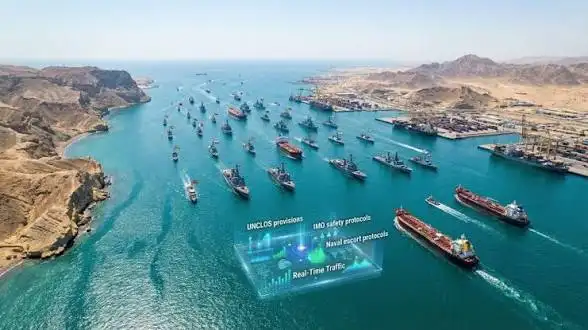
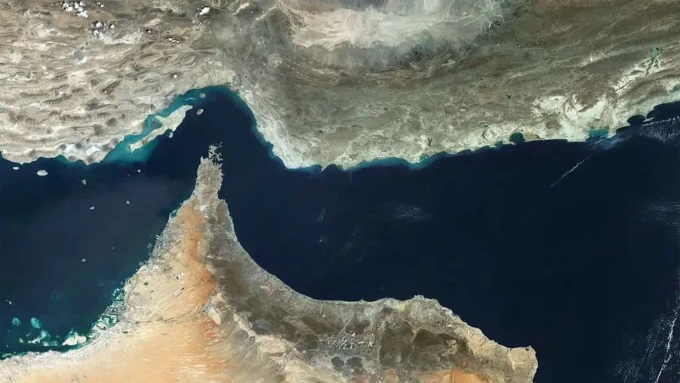
The European Union has put forward a new diplomatic proposal aimed at restoring safe maritime transit through one of the world most strategically vital shipping corridors. The initiative was presented by Kaja Kallas, who currently leads foreign policy coordination for the European Union. Officials say the proposal centers on a negotiated maritime arrangement designed to reduce tensions and enable the gradual return of commercial vessel movement through the Strait of Hormuz.
European diplomats describe the plan as a confidence building framework that prioritizes civilian shipping safety while encouraging regional actors to commit to de escalation measures. According to officials familiar with the discussions, the proposal outlines verification mechanisms, communication channels among naval authorities, and internationally monitored transit assurances for merchant fleets. The goal is to create conditions that lower the risk of miscalculation while restoring the steady flow of energy exports and traded goods.
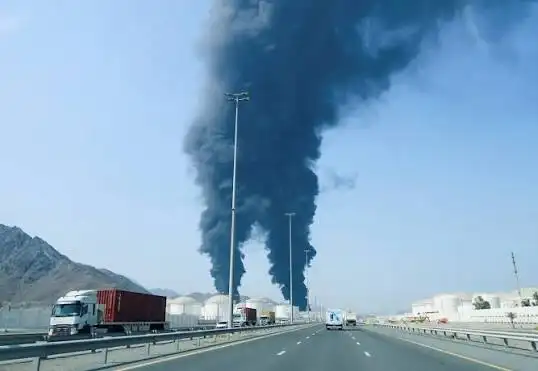
The waterway is a critical artery for global commerce, particularly for crude oil and liquefied natural gas shipments destined for markets in Europe and Asia. Extended disruption has strained supply chains, increased insurance costs for carriers, and contributed to volatility in commodity pricing. European policy planners argue that ilizing maritime movement would ease pressure on energy markets and reduce broader economic uncertainty affecting industries dependent on predictable logistics.
Member states are now reviewing the legal and security dimensions of the proposal, including how monitoring responsibilities would be shared and what role international partners might play. Some diplomats suggest coordination with the United Nations to strengthen neutrality and oversight credibility. Others emphasize the importance of direct regional dialogue to ensure that any arrangement reflects local security concerns and preserves navigational rights under international maritime law.
Analysts say the initiative reflects a broader European effort to expand its diplomatic footprint in crisis management beyond its immediate neighborhood. By focusing on mediation and maritime governance, the bloc aims to demonstrate that multilateral engagement can produce practical safeguards for trade and energy security. While negotiations face complex political sensitivities, officials maintain that a structured maritime accord offers a constructive pathway toward restoring commercial confidence and reducing risks to global supply networks.








Leave a comment