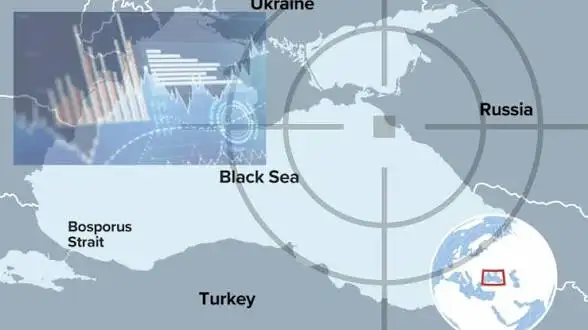
Global energy markets registered heightened volatility as traders weighed the risk of a prolonged supply disruption linked to escalating tensions across key producing regions. Benchmark contracts fluctuated through active sessions while analysts assessed shipping constraints, refinery throughput, and storage levels. Market participants monitored official statements and maritime advisories for signals influencing near term pricing trajectories.
Crude oil futures posted sharp intraday swings as liquidity thinned and risk premiums widened across major exces. Natural gas contracts tracked similar patterns amid uncertainty over pipeline flows and liquefied cargo schedules. Commodity desks reported elevated hedging activity from airlines, utilities, and manufacturers seeking cost visibility while preserving operational flexibility under rapidly shifting supply assumptions.
Shipping indices reflected mounting concern over transit reliability through strategic waterways that connect producers with consuming markets. Insurers adjusted coverage terms as vessel operators reviewed routing options and contingency plans. Port authorities issued guidance to manage congestion risks, while logistics firms recalibrated schedules to balance safety considerations with contractual delivery commitments across intercontinental trade lanes.
Refining margins responded unevenly as facilities evaluated crude slates and maintenance timelines against feedstock availability. Petrochemical producers assessed downstream demand signals and inventory buffers to manage production rates. Electricity markets tracked fuel inputs closely, with grid operators preparing reserve strategies to maintain reliability during potential demand spikes and weather related variability across regions.
Financial institutions revised outlooks to incorporate extended uncertainty, emphasizing scenario planning and cross asset correlations. Equity sectors tied to exploration, services, and transport recorded divergent performances reflecting exposure profiles. Currency markets mirrored commodity moves as exporting economies navigated revenue implications and importing nations weighed inflationary pressures tied to energy costs.
Policy makers convened consultations to evaluate strategic reserves, demand management tools, and diplomatic engagement aimed at ilizing flows. Energy ministries coordinated with regulators and industry groups to share data and align contingency frameworks. Consumer advisories encouraged efficiency measures while safeguarding essential services, underscoring balance between resilience objectives and economic continuity priorities.
Analysts cautioned that durable market ility would depend on credible de escalation pathways and transparent communication among stakeholders. Research houses highlighted investment signals for infrastructure resilience and diversification initiatives. Investors tracked forward curves and options markets for sentiment cues as the sector adapted to evolving geopolitical risks and supply chain recalibrations worldwide.













Leave a comment