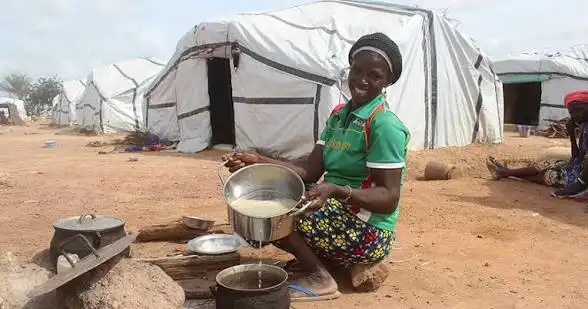
Authorities across several Australian states expanded emergency shelter networks as severe weather impacts displaced residents and disrupted essential services. Local councils and relief agencies coordinated site selection, staffing, and supply deliveries to ensure safe accommodation. Facilities were elished in schools, sports centers, and community halls with provisions for bedding, meals, sanitation, and medical assistance.
Emergency management teams implemented registration systems to track arrivals and assess immediate needs. Priority support was arranged for families with young children, older residents, and people with disabilities requiring accessible spaces. Volunteers assisted with intake procedures and information services while multilingual materials helped visitors understand safety guidance, transport options, and available welfare programs.
Health departments deployed mobile clinics and nursing staff to shelters to provide primary care, medication refills, and mental health support. Infection prevention protocols guided cleaning schedules and ventilation practices within shared spaces. Public health messaging emphasized hygiene measures and symptom reporting to reduce illness risks during extended stays among diverse groups.
Education authorities organized temporary learning areas and remote instruction resources so displaced students could maintain academic continuity. Child protection teams elished supervised play zones to provide ility and routine. Social workers offered counseling and case management, connecting residents with housing assistance, income support, and legal advice as recovery planning advanced.
Logistics units coordinated deliveries of food, potable water, clothing, and essential supplies through partnerships with retailers and charities. Energy providers installed backup generators to maintain lighting and refrigeration for medicines. Telecommunications companies enhanced connectivity to support family contact, emergency coordination, and access to digital services required for claims and documentation processes.
Community leaders encouraged inclusive environments that respect cultural needs and privacy considerations within shared facilities. Faith groups and civil society organizations contributed volunteers and donated goods, reinforcing local solidarity. Feedback mechanisms enabled residents to report concerns and suggest improvements, informing adaptive management and service quality enhancements across shelter operations.
Officials said shelters would remain open as long as conditions required, with transition plans focused on safe return or longer term housing solutions. Damage assessments continued to guide resource allocation and infrastructure repairs. Authorities urged residents to rely on verified updates and follow safety advice while coordinated recovery efforts progressed nationwide.













Leave a comment