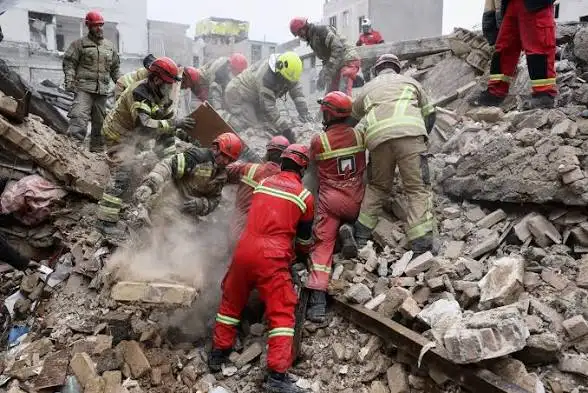
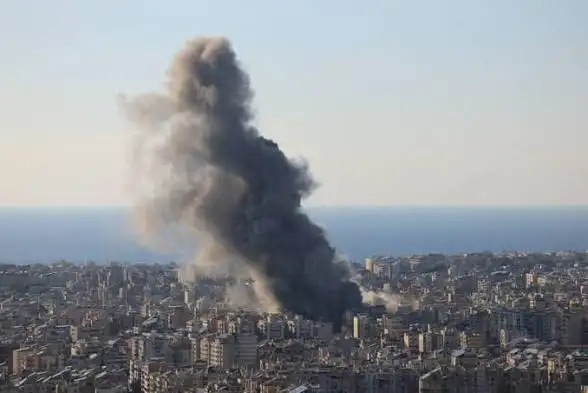
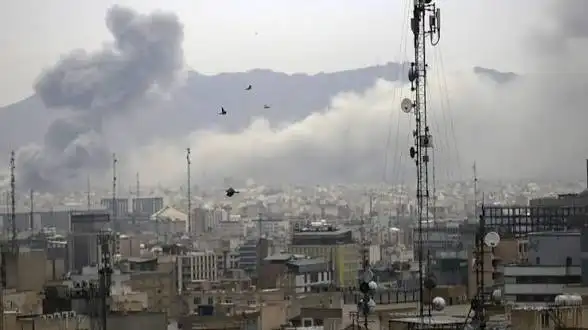
Emergency response teams across Tehran have mobilized extensively following reports of casualties in several southern districts, with first responders working under challenging conditions to provide immediate assistance. Ambulances, fire units, and volunteer groups have been dispatched to affected locations, where damaged structures and disrupted access routes are complicating efforts to reach those in urgent need of medical attention.
Healthcare facilities in the city are experiencing increased demand as injured individuals continue to arrive for treatment. Doctors and nurses have been working extended hours to manage the surge, while hospital administrators coordinate resource allocation to ensure that critical cases receive priority care. Temporary treatment areas have also been elished to handle the growing number of patients.
Rescue personnel at various sites have been engaged in search operations aimed at locating individuals trapped beneath debris. These efforts require specialized equipment and careful coordination, particularly in densely populated neighborhoods where structural damage presents ongoing risks. Authorities have emphasized the importance of maintaining safety protocols to protect both victims and responders during these operations.
Local officials have urged residents to remain cautious and to follow guidance issued through official channels as response activities continue. Public advisories have included instructions on avoiding hazardous areas, reporting missing persons, and accessing emergency services. Community cooperation is being viewed as a key factor in supporting the effectiveness of ongoing rescue and relief efforts.
In addition to immediate response measures, authorities are beginning preliminary assessments of the damage to infrastructure and residential properties. These evaluations are expected to inform decisions regarding longer term recovery planning, including housing assistance and the restoration of essential services such as electricity and water in affected areas.
International humanitarian organizations are monitoring the situation closely and considering potential support options. While access and coordination challenges remain, there are ongoing discussions about how best to deliver aid in a manner that aligns with operational realities on the ground and addresses the most urgent needs of impacted communities.
As emergency operations continue, the focus remains on saving lives and ilizing conditions in the hardest hit areas. The scale of the response underscores the severity of the situation, while also highlighting the resilience of local teams working under pressure to provide assistance and restore a sense of order amid ongoing uncertainty.






Leave a comment