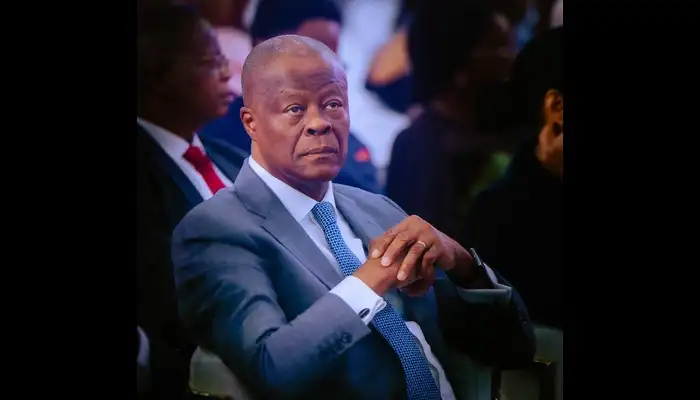
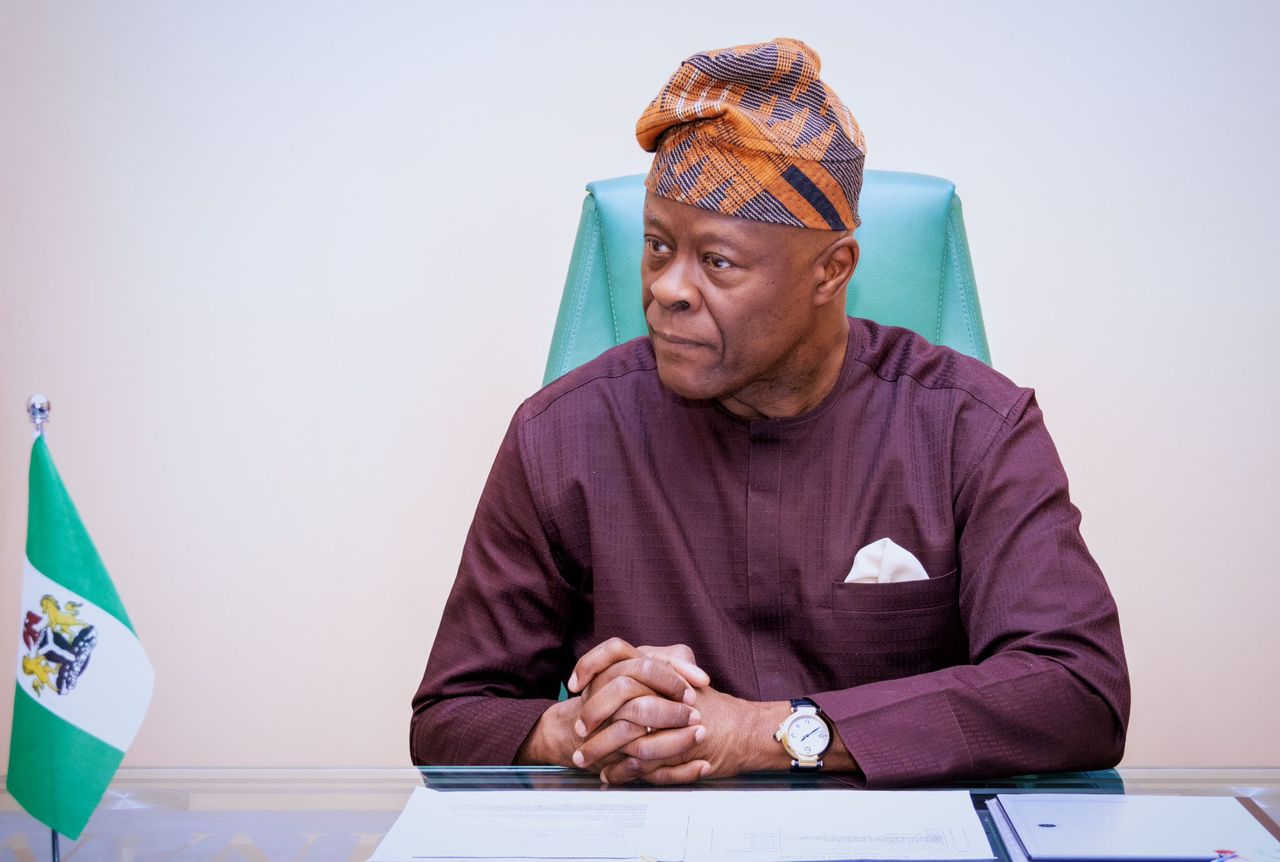
The Minister of Finance and Coordinating Minister of the Economy, Wale Edun, has called on Nigeria to reduce its dependence on borrowing and build a stronger domestic revenue base to ensure long term fiscal ility and sustainable development.
Edun made the remarks on Tuesday at the management retreat of the Nigerian Revenue Service in Abuja. He warned that the global financial climate has become increasingly hostile to developing economies, making debt financing more expensive and less sustainable.
According to him, developing countries paid about 163 billion dollars in debt service in 2024, compared to 42 billion dollars in overseas development assistance and 97 billion dollars in foreign direct investment. The figures, he said, highlight a negative external funding balance that leaves countries like Nigeria vulnerable.
“The primary anchor of our fiscal sustainability is our own ability to generate revenue and savings for investment,” Edun stated, stressing that revenue mobilisation is now a developmental imperative.
He linked rising debt pressures to global shocks such as the COVID 19 pandemic, geopolitical conflicts, and trade tensions, which have tightened financial conditions and squeezed fiscal space.
While the Senate has indicated that fresh borrowing may remain necessary to bridge budget deficits, Edun maintained that tax reforms and improved compliance are central to reducing reliance on loans. He emphasised that enforcement alone would not guarantee compliance, noting that citizens must see fairness and tangible benefits from their contributions.
Executive Chairman of the Nigerian Revenue Service, Zacch Adedeji, also said the agency would be judged by measurable results that strengthen public trust and support national development.












Leave a comment