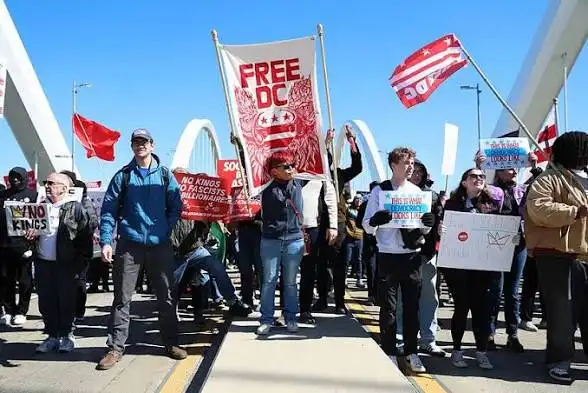
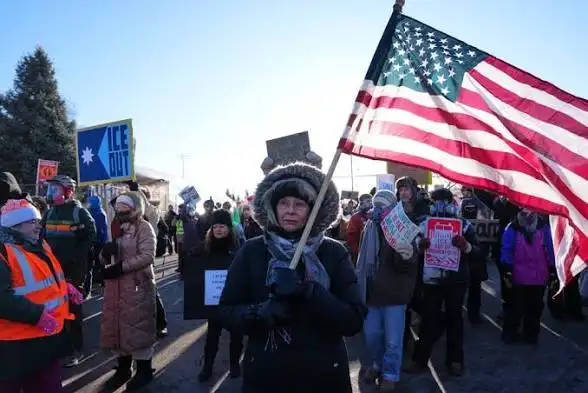
Anti government protests have spread across more than a dozen countries as coordinated demonstrations gain momentum in response to political grievances and economic concerns. Organizers say the movement reflects a shared sense of frustration among citizens facing rising costs of living and dissatisfaction with leadership decisions. The synchronized actions highlight growing transnational cooperation among activist networks worldwide today.
Large crowds gathered in capital cities and regional centers, carrying signs and chanting messages that criticized national policies and governance structures. Participants expressed concerns over unemployment, inflation, and what they described as limited public consultation in major policy decisions. In several areas, authorities deployed additional security personnel to maintain order while allowing demonstrations to proceed under elished legal frameworks.
Activists involved in the movement emphasized the role of digital communication tools in enabling coordination across borders. Messaging platforms and social networks facilitated rapid dissemination of protest plans, allowing participants in different regions to align their actions. Analysts noted that this level of coordination reflects an evolving landscape in civic engagement driven by technology and shared global challenges.
The protests brought together diverse groups including students, labor unions, civil society organizations, and independent campaigners. Many speakers at rallies highlighted common themes such as transparency, accountability, and equitable economic policies. Observers reported that the broad participation underscored a unifying sentiment despite cultural and political differences among the countries involved in the demonstrations.
Government responses varied widely, with some leaders acknowledging the protests as an expression of democratic rights while others urged restraint and adherence to public order laws. In certain cases, officials signaled willingness to engage in dialogue with organizers, while in others authorities maintained a firm stance emphasizing national security and institutional continuity as priorities.
Experts say the spread of demonstrations across multiple nations illustrates how domestic issues are increasingly influenced by global dynamics. Economic pressures and political developments in one region can resonate elsewhere, creating a ripple effect that shapes public opinion. This interconnected environment has made it easier for movements to gain traction beyond their original geographic origins.
As the demonstrations continue, attention is turning to their potential impact on policy decisions and political discourse. While immediate outcomes remain uncertain, the scale and coordination suggest a sustained period of civic engagement. Analysts believe the protests could influence future governance approaches and encourage greater responsiveness to public concerns in various national contexts.








Leave a comment