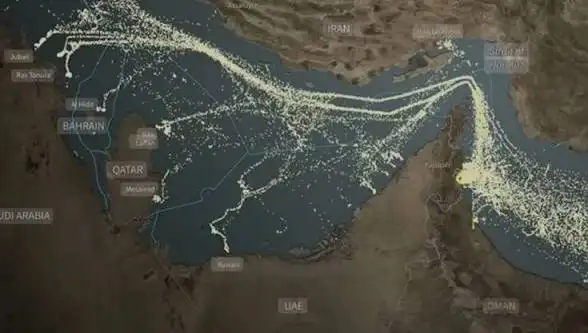
The continuing closure of the Strait of Hormuz is severely disrupting global oil supply flows, with energy analysts estimating that roughly one fifth of the world’s traded petroleum normally passes through the narrow waterway. The strategic maritime corridor links major oil producing states in the Persian Gulf with international markets, making it one of the most important energy transit routes on the planet. Since commercial tanker movement declined sharply in the area, energy markets have been grappling with the immediate consequences of reduced shipments and uncertainty about how long the disruption may continue.
Energy companies and shipping operators have been forced to halt or delay cargo movements as security concerns in the region intensified. Many vessels that would normally pass through the strait are now waiting in surrounding waters or diverting to alternative ports while authorities assess risks to commercial navigation. Governments in countries that depend heavily on imported energy are monitoring the situation closely as officials consider emergency plans to maintain domestic fuel supplies if the disruption continues for an extended period.
The strategic importance of the corridor stems from its role as the primary outlet for oil exports from several Gulf producers including Saudi Arabia, United Arab Emirates, Kuwait, and Iraq. Tankers transporting crude oil and refined petroleum products typically move through the narrow passage before entering the Gulf of Oman and continuing toward global markets. When traffic through this route declines significantly, energy supply chains around the world feel the impact almost immediately.
Market observers say the current disruption is particularly concerning because global oil demand remains high while spare supply capacity is limited. Strategic petroleum reserves held by major consuming nations may provide temporary relief if shortages begin to affect domestic markets. However energy economists warn that reserves are not designed to replace long term shipping interruptions, especially if the closure of the strait persists for weeks or longer.
International diplomacy is increasingly focused on reopening the waterway to restore le energy flows. Governments and international organizations are exploring ways to guarantee safe navigation for commercial shipping while reducing tensions in the surrounding region. Until maritime traffic resumes normal levels, analysts say the global energy system will remain under significant pressure as producers, traders, and consumers adjust to one of the most serious disruptions to oil supply in recent years.







Leave a comment